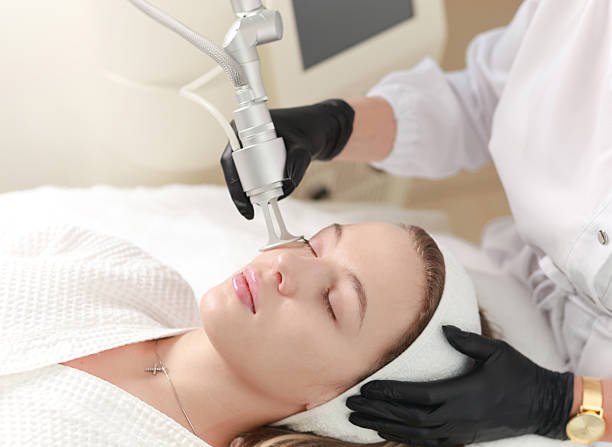

Platelet-Rich Plasma (PRP) and Platelet-Rich Fibrin (PRF) have become some of the most talked-about aesthetic procedures in the last decade. Often nicknamed “liquid gold” for their golden color and skin-revitalizing benefits, these treatments harness your body’s own regenerative power to stimulate collagen, improve texture, and restore vibrancy. Unlike injectables such as fillers or neurotoxins, PRP and PRF work biologically—jump-starting your skin’s healing mechanisms from the inside out.
In this comprehensive guide, we’ll unpack the science behind PRP and PRF, the differences between the two, what results to expect, and how to know whether this natural rejuvenation method is right for you. We will also walk through treatment steps, downtime expectations, expert-recommended aftercare, and realistic timelines so you can plan your treatment confidently.
1. What Are PRP and PRF?
PRP and PRF are both derived from your own blood. After a quick blood draw, the sample is spun in a centrifuge, separating plasma from red and white blood cells. Plasma contains platelets—cell fragments loaded with growth factors that accelerate healing, tissue repair, and collagen production.
PRP (Platelet-Rich Plasma)
PRP has been widely used in sports medicine for decades to heal joints and tendons. In aesthetics, it’s injected or microneedled into the skin to boost cell turnover and improve overall skin health. PRP contains a high concentration of growth factors that stimulate fibroblasts to produce collagen and elastin.
PRF (Platelet-Rich Fibrin)
PRF is often considered the “next generation” of PRP. It uses:
- lower centrifuge speeds,
- no anticoagulants,
- more platelets and white blood cells,
- and forms a fibrin matrix that acts like a slow-release system.
Because of this, PRF releases growth factors over 7–10 days, whereas PRP releases them quickly over 24–48 hours. Many practitioners believe PRF produces longer-lasting results with fewer additives and a more natural healing profile.
2. Key Differences Between PRP and PRF
PRP
- Uses anticoagulants
- Higher spin speed
- Growth factors release quickly
- Slightly less concentration
- Good for general rejuvenation
- Often paired with microneedling
PRF
- 100% natural—no additives
- Lower spin preserves stem cells
- Slow-release growth factors
- Higher concentration of healing cells
- Great for under-eye hollows, texture repair, and deeper rejuvenation
3. What Does PRP/PRF Treat?
These treatments are ideal for:
- Under-eye dark circles
- Under-eye crepey texture
- Acne scars
- Fine lines and early wrinkles
- Skin dullness and laxity
- Enlarged pores
- Hair thinning (scalp PRP)
PRF is especially popular for the tear trough area, where fillers can migrate or cause puffiness. PRF gradually improves the quality of the under-eye skin instead of creating artificial volume.
4. What To Expect During the Procedure
The typical PRP/PRF session includes:
Step 1 — Consultation
Your provider evaluates skin concerns, expectations, and contraindications.
Step 2 — Blood draw
This is quick—usually 1–2 vials.
Step 3 — Centrifugation
The blood spins to separate plasma. PRF requires a gentler, shorter spin.
Step 4 — Application (three methods)
- Microneedling with PRP/PRF
- Creates microchannels
- Plasma is applied topically
- Boosts absorption and collagen stimulation
- Injections (tear trough, cheeks, smile lines)
- Slow, precise placement
- Particularly effective with PRF
- Combination of both
Step 5 — Post-care
Skin feels warm and tight for 1–2 days.
5. Results Timeline
PRP/PRF works biologically, so results are gradual:
- Week 1: Glow and hydration improve
- Week 4: Texture smooths, pores refine
- Months 2–3: Collagen rebuilds, under-eyes brighten
- Months 4–6: Peak results
Most patients need 3–4 sessions, spaced 4–6 weeks apart.
6. Safety, Side Effects & Who’s a Good Candidate
PRP/PRF are extremely safe because they come from your own body.
Possible side effects:
- mild swelling
- redness
- pinpoint bruising
PRF injections can cause temporary puffiness under the eyes because of slow fibrin expansion—this is normal.
Not ideal for:
- smokers
- those with bleeding disorders
- severe platelet deficiencies
7. PRF vs Fillers: Which Should You Choose?
Choose PRF if you want:
- natural rejuvenation
- long-term skin improvement
- no risk of filler migration
- gradual subtle changes
Choose Fillers if you need:
- immediate volume
- structural contour changes
- cheek or jawline enhancement
Many providers combine PRF + fillers for a balanced, natural look.
8. Average Costs
- PRP per session: $350–$800
- PRF per session: $500–$1200
- Under-eye PRF: $600–$1500