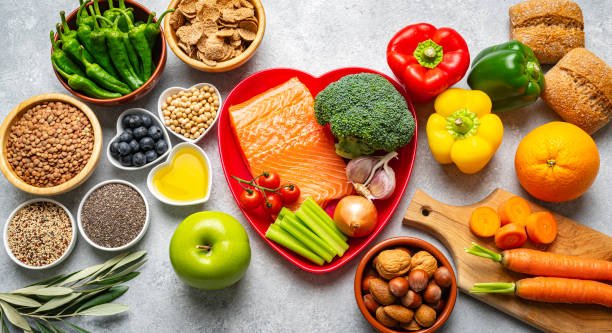

Achieving a lean, toned, and sculpted physique is 70% nutrition and 30% training. While workouts stimulate muscle growth and increase calorie burn, your diet determines how efficiently your body sheds fat, builds muscle, and maintains long-term results. In this in-depth guide, we’ll explore the science of fat loss nutrition, macronutrient strategies, metabolism optimization, meal-planning frameworks, trending approaches, and practical templates designed for modern lifestyles.
This article takes a balanced, realistic, and science-backed approach—no deprivation, no detox gimmicks, no starvation diets. Instead, we focus on sustainable, healthy, and enjoyable eating patterns aligned with Western food culture and daily routines.
1. The Physiology of Fat Loss: Why Nutrition Matters More Than Exercise
While exercise burns calories, your daily dietary intake has a far greater influence on overall fat loss. Here’s why:
1.1 The Caloric Deficit
To burn stored fat, you must consume fewer calories than you expend.
A moderate deficit of 300–500 calories/day leads to healthy weight loss (0.5–1 lb/week).
1.2 Hormonal Regulation
Certain foods regulate fat-burning hormones:
- Protein → boosts satiety, reduces cravings, supports metabolism
- Fiber → stabilizes blood sugar
- Healthy fats → hormone production & appetite control
1.3 Muscle Preservation
Caloric deficits often cause muscle loss. Adequate protein prevents this, allowing:
- A higher metabolic rate
- Better body shape and definition
- Improved strength and performance
1.4 Adherence
The best diet is one you can stick to. Restriction leads to burnout; balance leads to long-term success.
2. Macronutrients for Fat Loss & Muscle Building
2.1 Protein: Your Body-Shaping Power Macro
Protein is crucial when your goal is fat reduction without losing muscle mass.
Recommended intake:
- 0.7–1 gram per pound of body weight
- Higher range for women doing resistance training or HIIT
Protein Benefits
- Boosts thermogenesis
- Reduces cravings and overeating
- Supports lean body composition
- Slows digestion for stable energy
Protein Sources (Western-friendly)
- Chicken breast, turkey, lean beef
- Salmon, tuna, shrimp
- Greek yogurt, cottage cheese
- Protein shakes, whey & plant protein
- Tofu, tempeh, edamame
2.2 Carbohydrates: Fuel for Workouts and Hormone Balance
Carbs are not the enemy; the wrong carbs are.
Recommended Carb Strategy
- Emphasize complex carbs
- Spread intake across meals
- Prioritize carbs around workouts for energy
Smart Carb Sources
- Oats, quinoa, barley
- Sweet potatoes, potatoes
- Brown rice
- Beans, lentils
- Fruits like berries, apples, citrus
Avoid or Reduce
- Sugary cereals
- White bread
- Soda, sweets, pastries
2.3 Fats: Essential for Hormones, Satiety & Skin Glow
Aim for 25–35% of daily calories from fats.
Healthy Fat Sources
- Avocado
- Extra virgin olive oil
- Almonds, walnuts
- Salmon & sardines
- Chia and flaxseeds
Benefits:
- Stabilizes hunger
- Supports hormones (especially for women)
- Reduces inflammation
3. Micronutrients That Support Fat Loss
Certain vitamins and minerals play a major role in metabolism:
- Magnesium → improves sleep, reduces stress
- Vitamin D → supports energy, hormonal balance
- Iron → prevents fatigue during workouts
- B vitamins → essential for metabolism
- Omega-3 → reduces inflammation and improves insulin sensitivity
4. Meal Timing, Frequency & Structure
4.1 Optimal Meal Frequency
There is no perfect number of meals—but consistency is key.
Good frameworks:
- 3 meals + 1–2 snacks
- 2 larger meals + protein snacks
- Intermittent Fasting (16:8) for appetite control
4.2 Pre-Workout Nutrition
Choose:
- Fast-digesting carbs (banana, oats, toast)
- 10–20g protein
Avoid heavy, fatty foods before training.
4.3 Post-Workout Nutrition
Goal: replenish glycogen + support muscle recovery
Best combo:
- Protein shake + fruit
- Chicken and rice
- Greek yogurt and honey
5. How to Create a Fat-Loss-Friendly Plate
Use the Western nutrition guideline:
The Balanced Plate Rule
- ½ plate vegetables (fiber, vitamins, volume)
- ¼ plate protein (20–40g per meal)
- ¼ plate carbs (complex carbs only)
- 1 tablespoon healthy fat
Sample plates:
- Grilled chicken + quinoa + roasted veggies
- Salmon + sweet potato + asparagus
- Turkey chili + avocado slices
6. Popular Nutrition Approaches (2025 Trends)
6.1 High-Protein Lifestyle
Most popular among fitness lovers.
Benefits: satiety, muscle preservation, stable energy.
6.2 Mediterranean Diet
Heart-healthy, anti-inflammatory, balanced.
Rich in vegetables, fish, olive oil.
6.3 Intermittent Fasting
Great for:
- Busy schedules
- Reducing nighttime snacking
- Controlling appetite
6.4 Plant-Forward Eating
Not fully vegan—just more plants.
Great for digestion and overall wellness.
7. The Role of Hydration in Fat Loss
Dehydration slows metabolism and triggers false hunger.
Guidelines:
- 2–3 liters/day
- Increase intake on workout days
- Add electrolytes for heavy sweaters
Signs of good hydration:
- Clear urine
- Stable energy
- Fewer cravings
8. How to Build a Practical Weekly Meal Plan
Meal planning doesn’t need to be restrictive. Here’s a realistic framework:
8.1 Step 1: Choose Your Meal Rhythm
Example schedule:
- Breakfast
- Lunch
- Snack
- Dinner
Or IF schedule:
- First meal at noon
- One snack
- Dinner at 6–8 pm
8.2 Step 2: Choose Proteins for the Week
Pick 2–3:
- Chicken
- Salmon
- Greek yogurt
- Tofu
- Turkey
8.3 Step 3: Choose 2 Carbs
- Rice
- Potatoes
- Oats
8.4 Step 4: Choose 3–4 Vegetables
- Broccoli
- Mixed greens
- Bell peppers
- Carrots
8.5 Step 5: Prep 1–2 Snacks
- Protein shakes
- Fruit + nuts
- Cottage cheese + berries
9. Sample Meal Plan for Fat Loss & Lean Muscle
Day 1
Breakfast: Greek yogurt + berries + nuts
Lunch: Chicken, quinoa, roasted broccoli
Snack: Protein shake
Dinner: Salmon + asparagus + sweet potato
Day 2
Breakfast: Oatmeal with chia and honey
Lunch: Turkey chili
Snack: Cottage cheese + pineapple
Dinner: Stir-fried tofu and veggies + rice
Day 3
Breakfast: Protein smoothie
Lunch: Tuna salad wrap
Snack: Apple + almonds
Dinner: Grilled chicken & roasted veggies
10. Supplements That Can Support (but Not Replace) Nutrition
Helpful:
- Whey or plant protein
- Omega-3
- Creatine (for muscle & strength)
- Magnesium glycinate (sleep & recovery)
Not necessary:
- Fat burners
- Detox teas
- Appetite suppressants
11. Fat Loss Without Losing Feminine Curves
To stay toned and curvy:
- High protein
- Strength training 3–4 times/week
- Moderate carbs (focus around workouts)
- Healthy fats daily
- Avoid extreme deficits
This approach encourages fat loss while preserving glutes, legs, and upper body muscle.
12. Common Nutrition Mistakes That Slow Fat Loss
- Eating too little → slows metabolism
- Skipping protein
- Snacking mindlessly
- Not drinking enough water
- Overestimating calories burned during workouts
- Eating “clean” but overeating portion sizes
13. Final Takeaway
Fat loss nutrition does not need to be restrictive or complicated.
The keys are simple:
- Prioritize protein
- Choose whole, nutrient-dense foods
- Maintain a moderate calorie deficit
- Support metabolism with sleep and hydration
- Adopt a long-term, sustainable lifestyle
The goal is not just to “lose weight”—but to build a lean, strong, confident, and energized body that you can maintain effortlessly.