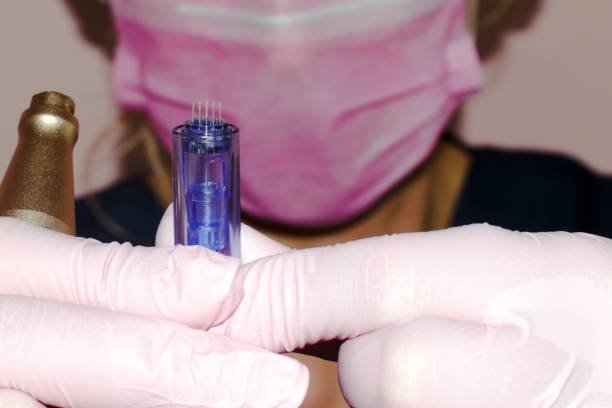

Microneedling has become a cornerstone of modern aesthetic dermatology. By creating micro-injuries in the skin, this treatment stimulates natural collagen production, improves texture, and enhances the absorption of active ingredients. Over the years, microneedling has evolved, and Radiofrequency Microneedling (RF Microneedling) has emerged as a popular advanced option, offering deeper penetration and more dramatic tightening.
In this guide, we’ll break down the science behind both treatments, their benefits, ideal candidates, treatment experience, expected results, risks, and recovery so you can make an informed choice.
1. How Microneedling Works
Microneedling, also called collagen induction therapy, uses tiny, sterile needles to puncture the skin at precise depths. These micro-injuries stimulate fibroblasts to produce collagen and elastin, which are the structural proteins that give skin firmness and elasticity.
Key Benefits
- Reduces fine lines and wrinkles
- Improves acne scars and surgical scars
- Tightens loose skin
- Shrinks pores
- Enhances product absorption (serums penetrate better)
- Improves skin tone and texture
Depth and Frequency
- Epidermal-only microneedling (0.25–0.5 mm) → Glow & product absorption
- Dermal penetration (1.0–2.5 mm) → Scar remodeling, collagen induction
- Typical protocol: 4–6 sessions, 4–6 weeks apart
2. Radiofrequency (RF) Microneedling: Next-Level Collagen Remodeling
RF Microneedling combines microneedling with radiofrequency energy, delivering heat into the dermis to tighten tissue while still inducing collagen formation.
Key Benefits Over Traditional Microneedling
- Deeper skin tightening
- More effective for sagging jowls, jawline, and neck
- Can treat deeper acne scars
- Longer-lasting results
- Stimulates collagen remodeling in both superficial and deep dermis
Common RF Devices
- Profound RF
- Morpheus8
- Infini
- Secret RF
3. Comparing Microneedling vs RF Microneedling
| Feature | Microneedling | RF Microneedling |
|---|---|---|
| Depth | 0.25–2.5 mm | 0.5–4 mm |
| Collagen stimulation | Moderate | High |
| Skin tightening | Mild | Moderate–High |
| Acne scars | Mild–Moderate | Moderate–Severe |
| Downtime | 1–3 days | 3–5 days |
| Pain | Mild | Moderate |
| Best for | Texture, glow, fine lines | Sagging, deeper scars, lifting |
4. Who is a Good Candidate?
Microneedling
- Mild wrinkles
- Dull or uneven texture
- Minor scarring
- Enlarged pores
- All skin types
RF Microneedling
- Moderate to severe acne scars
- Loose or sagging skin
- Deep wrinkles
- Neck/jawline laxity
- All Fitzpatrick skin types (safer than deep laser for darker tones)
5. What to Expect During Treatment
Microneedling
- Topical numbing cream applied
- 30–45 minute session
- Mild prickling or pressure sensation
- Post-treatment redness (like sunburn) for 1–2 days
RF Microneedling
- Numbing cream + sometimes local anesthesia for deeper settings
- 45–60 minute session
- Tingling + heat sensation
- Redness + slight swelling for 2–4 days
6. Aftercare Tips
- Avoid sun exposure for 7–14 days
- Gentle cleansing and hydration
- Avoid retinoids for 3–5 days
- No scrubs or acids until skin fully heals
- Apply SPF diligently
7. Expected Results
- Microneedling: Brighter, smoother skin in 1–2 weeks, collagen remodeling over 2–3 months
- RF Microneedling: Noticeable tightening and texture improvement in 4–6 weeks, optimal results at 3 months
- Multiple sessions recommended for best outcome
8. Risks & Safety
Both procedures are generally safe. Minor side effects include:
- Redness and swelling
- Pinpoint bleeding
- Mild bruising
- Rare: infection, hyperpigmentation (usually in darker skin types if improperly done)
RF Microneedling is safer than deep laser for darker skin because it avoids epidermal thermal injury.
9. Combining Treatments
Microneedling and RF can be combined with:
- PRP/PRF for enhanced healing and collagen boost
- Chemical peels (light) for surface glow
- LED red light therapy to reduce inflammation
- Topical growth factors and peptides
10. Cost & Frequency
- Microneedling: $200–$600 per session
- RF Microneedling: $800–$2,500 per session
- Series of 3–6 sessions typically recommended
11. Takeaways
- Microneedling → Best for minor concerns, glow, and maintenance
- RF Microneedling → Best for lifting, tightening, and deep scars
- Combining with PRP/PRF → Maximizes rejuvenation
- Both treatments are low-risk, effective, and suitable for most skin types