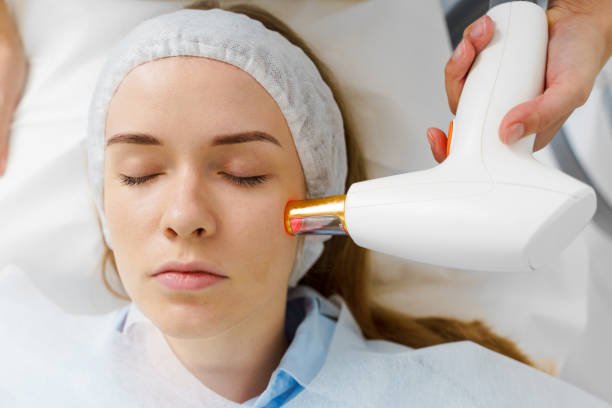

Introduction: Why Laser Treatments Have Become a Skincare Essential
Over the last decade, laser technology has rapidly evolved from an intimidating “dermatologist-only” procedure into one of the most effective and customizable approaches to treating real skin concerns — from acne scars to pigmentation, redness, wrinkles, enlarged pores, and even unwanted hair. In the U.S. and Europe, lasers are now considered a foundational part of long-term skin maintenance, especially for people who want visible, lasting results without surgical procedures.
However, the number of laser devices on the market has exploded, and terms like “Fraxel,” “IPL,” “Nd:YAG,” “CO2 resurfacing,” and “non-ablative fractional lasers” can be overwhelming. What actually works? Which laser is safe for darker skin tones? How many sessions do you really need? And what’s worth the investment?
This article breaks down everything — in clear, realistic, science-backed language — so you can select the right treatment with confidence.
1. The Science Behind Laser Treatments: How They Actually Work
Lasers work by delivering concentrated beams of light into specific layers of the skin. Each laser operates at a different wavelength, which determines what it targets. Your skin contains “chromophores” — elements that absorb light — such as:
- Melanin (pigment)
- Hemoglobin (blood vessels)
- Water (dermis)
Depending on which wavelength the laser uses, it will selectively target one of these chromophores without damaging surrounding tissue.
Ablative vs. Non-Ablative Lasers
- Ablative lasers (CO2, Er:YAG)
Remove the outer skin layer. Most aggressive, dramatic results. Longer downtime. - Non-ablative lasers (Fraxel 1550, Nd:YAG, Clear + Brilliant)
Heat deeper layers of the skin without removing the surface. Less downtime, more sessions needed.
Fractional Technology
“Fractional” means the laser hits the skin in a grid-like pattern, creating microscopic injury zones while leaving surrounding tissue untouched.
Benefits:
- Faster healing
- Lower risk
- Still effective for texture, wrinkles, scars
Fractional lasers are now the standard in modern dermatology.
2. The Most Popular Laser Types — And What Each One Is Best For
Below is an honest, no-hype breakdown of what each device does best, who it’s for, and what results to expect.
A. IPL (Intense Pulsed Light): The Entry-Level “Photofacial”
Although not technically a laser, IPL uses broad-spectrum light to target pigment and redness.
Best for:
- Sunspots
- Redness
- Rosacea
- Uneven tone
- Broken capillaries
Not ideal for:
- Deep wrinkles
- Acne scars
- Darker skin tones (Fitzpatrick IV–VI) due to risk of hyperpigmentation
Downtime:
Minimal — pigmentation darkens and flakes over 3–7 days.
Why people love it:
Affordable, quick, highly effective for sun damage.
B. Fraxel Dual (1550 + 1927 nm): The Gold Standard for Texture and Pigmentation
Fraxel Dual combines two wavelengths:
- 1550 nm: Treats deep layers (acne scars, wrinkles)
- 1927 nm: Treats superficial pigmentation (sunspots, melasma)*
*Note: Melasma requires cautious use; some dermatologists avoid lasers for melasma due to risk of rebound pigment.
Best for:
- Acne scars
- Fine lines
- Pores
- Sun damage
- Early aging
- Texture issues
Downtime:
3–7 days of redness, swelling, “sandpaper” texture.
Results:
Visible improvement after one session; best results after 3–5 treatments.
C. CO2 Laser (Ablative): Maximum Results, Maximum Downtime
CO2 resurfacing remains the most powerful laser available.
Best for:
- Deep wrinkles
- Severe sun damage
- Surgical scars
- Deep acne scarring
- Skin tightening
Downtime:
7–14 days of intensive recovery + redness for weeks.
Not recommended for:
Darker skin tones due to high hyperpigmentation risk.
Why it’s worth it:
One treatment can produce dramatic, long-term rejuvenation.
D. Erbium (Er:YAG): A Milder Ablative Alternative
Ablative like CO2 but less aggressive.
Best for:
- Moderate wrinkles
- Uneven texture
- Sun damage
Downtime:
5–7 days, faster healing than CO2.
E. Nd:YAG 1064 nm: The Safest Laser for Darker Skin Tones
Nd:YAG bypasses the epidermal melanin and targets deeper tissue, making it the safest for Fitzpatrick IV–VI skin.
Best for:
- Dark skin tones
- Hair removal
- Veins
- Pigmentation
- Skin tightening (non-ablative)
Why it’s special:
Lower risk of burns, pigmentation imbalance.
F. Clear + Brilliant (“Baby Fraxel”)
A lightweight fractionated laser popular among younger patients or maintenance users.
Best for:
- Early aging
- Enlarged pores
- Mild pigmentation
- Dullness
Downtime:
Low — 24–48 hours of redness, then mild roughness.
3. How to Choose the Right Laser for Your Skin Tone
Laser safety varies significantly with melanin levels. This is where expertise matters most.
Skin Type I–III (Fair to Light Beige)
Most laser devices are safe for fair skin. These skin types respond beautifully to:
- IPL
- Fraxel
- CO2 / Erbium
- Clear + Brilliant
Primary concerns are usually sun damage, freckles, redness, fine lines.
Skin Type IV (Olive, Mediterranean, Middle Eastern, some Asian)
More prone to post-inflammatory hyperpigmentation (PIH).
Best options:
- Nd:YAG
- Lower-energy Fraxel (1550)
- Non-ablative resurfacing
- Gentle lasers like Clear + Brilliant
Avoid aggressive peels or high-density CO2.
Skin Type V–VI (Brown to Deep Brown / Black Skin)
Safety must be handled with extreme care.
Best treatments:
- Nd:YAG
- Low energy non-ablative lasers
- Radiofrequency (not laser but safer for pigmentation)
Avoid:
- IPL
- CO2/Erbium
- High-energy Fraxel
These carry high risks of hyperpigmentation or burns.
4. What Laser Is Best for Your Skin Concern? (A Complete Guide)
Pigmentation / Sunspots
- IPL
- Fraxel 1927
- Q-switch lasers
- Clear + Brilliant
Melasma
- Very low-energy lasers under dermatologist care
- Often better treated with topicals + peels
- Heat can worsen melasma → caution is essential
Acne Scars (Indented)
- Fraxel 1550
- CO2
- RF Microneedling (sometimes more effective)
Redness / Rosacea
- IPL
- Pulsed dye laser (VBeam)
Fine Lines / Anti-Aging
- Fraxel
- Clear + Brilliant
- CO2 (for advanced aging)
Large Pores
- Fraxel
- Clear + Brilliant
- Nd:YAG skin tightening
Sagging Skin
- CO2 (best tightening effect)
- Nd:YAG
- RF (not a laser but often more effective)
5. What to Expect During Treatment: Pain, Numbing & Realistic Sensations
Most laser treatments are tolerable for the average patient.
Pain levels (1–10 scale)
- Clear + Brilliant: 2–3
- IPL: 3–5
- Fraxel: 6–8 (numbing cream essential)
- CO2: 8–10 (usually requires nerve blocks + sedation)
During treatment you may feel:
- Snapping rubber bands
- Heat
- Tingling
- Slight burning sensation
After treatment:
- Redness
- Swelling
- Heat
- “Sunburn” feeling
- Peeling or sandpaper texture
These are normal parts of the healing process.
6. Downtime & Recovery: What No One Tells You
Recovery varies dramatically based on the intensity.
Light Treatments (Clear + Brilliant / IPL)
- Redness 1–2 days
- Makeup next day
- Minimal downtime
Medium Treatments (Fraxel)
- Redness: 2–4 days
- Swelling: 1–3 days
- Skin flakes: 3–7 days
- Total downtime: 5–7 days
Aggressive Treatments (CO2 / Erbium)
- Crusting
- Oozing
- Tightness
- Avoid sun for 3 months
- Social downtime: 7–14 days
7. How Many Sessions Do You Really Need?
IPL: 3–5 sessions
Fraxel: 3 sessions for scars, 1–2 for sun damage
Clear + Brilliant: 4–6 sessions for optimal glow
CO2: 1 session (sometimes 2)
Nd:YAG: 3–6 sessions
Results accumulate — patience is key.
8. Cost Breakdown (U.S. & Europe Averages)
Costs vary by city, device, and provider expertise.
- IPL: $250–$500
- Clear + Brilliant: $300–$500
- Fraxel: $800–$1,600
- CO2 Ablative: $2,500–$6,000
- Nd:YAG: $300–$700
Always prioritize experienced, licensed dermatologists.
9. Risks, Side Effects & Safety: What You MUST Know
Common side effects:
- Redness
- Swelling
- Peeling
- Dryness
- Sensitivity
Serious risks (rare but real):
- Burns
- Scarring
- Hyperpigmentation
- Infection
- Worsened melasma
How to avoid problems:
- Choose a board-certified dermatologist
- Avoid cheap med-spa deals
- Follow pre & post-care strictly
- Avoid sun for 2–4 weeks
10. At-Home Laser Devices: Worth It or Not?
Most at-home “laser” devices are actually LED or low-level IPL, not true lasers.
Pros:
- Affordable
- Safe
- Minimal risk
Cons:
- Weak effect
- Slow results
- Not comparable to professional devices
Good for maintenance — not transformation.
Conclusion: The Future of Laser Skincare
Laser treatments have become one of the most powerful and customizable tools in modern aesthetics. From subtle glow-boosting options to transformative resurfacing, there’s a solution for nearly every skin type and concern. The key is choosing technology wisely, working with experienced providers, and setting realistic expectations based on your skin tone, goals, and lifestyle.
In the right hands, lasers can offer dramatic, long-lasting improvements and help you maintain healthy, youthful, radiant skin for years to come.