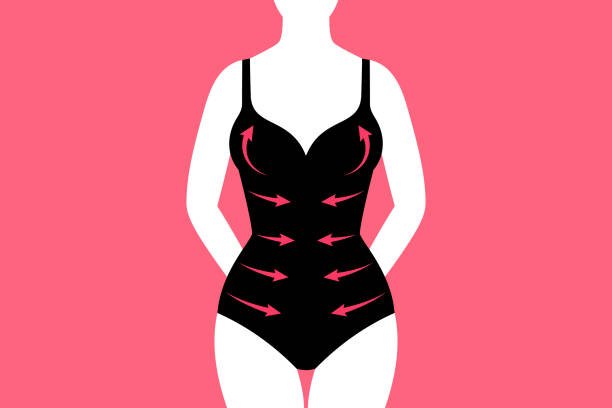

The “hourglass” body shape remains one of the most timeless and admired silhouettes—defined waist, fuller hips and glutes, balanced shoulders, and smooth feminine lines. While genetics determine your bone structure, the hourglass body can absolutely be built and enhanced through strategic strength training, targeted fat distribution, intelligent nutrition, and posture optimization.
This guide breaks down exactly how modern fitness science helps women sculpt the hourglass shape naturally and sustainably—without extreme dieting, waist trainers, or unrealistic expectations.
1. What Defines an Hourglass Shape? (The Real Anatomy)
A true hourglass shape comes from a combination of structure + muscle + fat distribution.
The key areas:
- Shoulders — slightly wider than hips
- Waist — visibly smaller
- Hips/Glutes — rounded, lifted
- Thighs — proportional, not bulky
- Back — sculpted lats for V-taper illusion
The “illusion” factor
You don’t need a naturally tiny waist to look hourglass.
By strategically building:
- wider shoulders
- rounder glutes
…and reducing fat around your midsection, the waist appears smaller without losing actual inches.
This is why body shaping through exercise works so powerfully.
2. Can You Create an Hourglass Body If You’re Not Born With It?
YES.
Here’s what science says:
- Shoulder width can be visually increased by deltoid training
- Waist size can be reduced through fat loss, not ab exercises
- Glutes can grow significantly regardless of genetics
- Posture alone can visually change proportions
- Muscle gives curves where bone structure does not
The only thing you cannot change is ribcage or hip bone width.
Everything else is transformable.
3. The Core Hourglass Equation
The hourglass shape = Shoulders ↑ + Glutes ↑ – Waist ↓
To build it, you need:
✔ Upper-body sculpting (shoulders + upper back)
✔ Glute-building strength training
✔ Minimal thigh hypertrophy (unless desired)
✔ Moderate calorie deficit or maintenance
✔ High protein for shape retention
✔ Low stress + good sleep
This 360° approach builds the balanced, feminine silhouette.
4. The Hourglass Training Strategy: What Works & What Doesn’t
The 3 Pillars of Hourglass Training
1️⃣ Shoulder Cap Building
2️⃣ Glute Growth
3️⃣ Waist Slimming (through fat loss)
What does NOT slim your waist:
- crunches
- waist twisting machines
- side bends with dumbbells
- ab rollers
- waist trainers
These do not burn belly fat.
Belly fat is reduced through overall fat loss.
5. Target #1: Building “Capped” Shoulders for the V-Shape Look
To create the illusion of a smaller waist, you must widen the upper frame visually—not by bone, but by muscle.
The deltoid has 3 heads:
- front
- side (most important for hourglass)
- rear
Best shoulder-building exercises
- Lateral raises (high reps for definition)
- Dumbbell shoulder press
- Cable lateral raises
- Rear-delt fly
- Face pulls
Training frequency
2× per week
8–15 reps
3–4 sets per exercise
Your shoulders should be consistently trained, not occasionally.
6. Target #2: Growing the Glutes for a Curvier Lower Body
The hip and lower body shape dramatically influence the hourglass figure.
The glutes have three areas:
- Gluteus maximus → projection
- Gluteus medius → roundness
- Gluteus minimus → hip shape
Top glute-building exercises
Heavy compound lifts:
- Hip thrusts
- Romanian deadlifts
- Barbell glute bridges
Glute-focused movements:
- Cable kickbacks
- Abduction machine
- Step-ups
- Bulgarian split squats
Training principles
- Lift moderate to heavy
- 6–12 reps
- 4–6 sets for main moves
- 2–3× per week
Glutes grow with progressive overload, not Pilates alone.
7. Target #3: Achieving a Smaller Waist (Science-Based)
You cannot train your waist to be smaller with isolation.
You can, however:
- reduce fat around the midsection
- improve posture
- avoid oblique hypertrophy
- develop deeper core muscles for flatness
Do:
- calorie deficit if needed
- high-protein meals
- stress reduction
- low-intensity cardio
- planks
- vacuum exercises
- Pilates-inspired core work
Avoid (if a small waist is the goal):
- heavy oblique exercises
- weighted side bends
- heavy twisting with cables
These widen your waist by building muscle on the sides.
8. The Optimal Hourglass Weekly Workout Plan
Day 1 — Shoulders + Upper Back
- Lateral raises
- Shoulder press
- Face pulls
- Single-arm rows
- Rear delt fly
Day 2 — Glutes + Hamstrings
- Hip thrusts
- RDLs
- Glute bridges
- Kickbacks
Day 3 — Active Recovery + Abs
- 30 min incline walk
- Planks
- TVA activation
- Light mobility
Day 4 — Glutes + Quad Balance
- Bulgarian split squats
- Step-ups
- Leg press (glute focused)
- Abduction machine
Day 5 — Shoulder + Back Definition
- Cable lateral raises
- Machine rows
- Lat pulldowns
- Upper-back finisher
Weekend
- Optional cardio
- Rest
This split maximizes symmetry and proportion.
9. The Hourglass Nutrition Strategy
If your goal is fat loss (to reveal waistline):
- 10–20% calorie deficit
- 30–40% of calories from protein
- prioritize whole foods
- avoid extreme low-carb diets (they cause bloating rebound)
If your goal is glute + shoulder growth:
- eat at maintenance or slight surplus (5–10%)
- protein 1.6–2.2 g/kg
- carbs around workouts
Foods that help waist slimming
- berries
- Greek yogurt
- eggs
- fish
- leafy greens
- avocado
- high-fiber carbs
- green tea
Foods to minimize
- ultra-processed snacks
- sugary drinks
- fried foods
- alcohol (directly increases abdominal fat storage)
10. The Posture Factor: The Hourglass Shape “Cheat Code”
Good posture can instantly enhance curves:
Improves hourglass appearance by:
- lifting chest
- making waist look smaller
- accentuating glutes
- reducing lower belly protrusion
Fix posture by strengthening:
- upper back
- deep core
- glutes
And stretching:
- hip flexors
- chest
Small changes create dramatic visual improvements.
11. Genetics vs Training: Honest Expectations
Genetics influence:
- ribcage width
- natural hip bone width
- natural muscle insertion length
- hormonal fat distribution
Training influences:
- glute size & roundness
- shoulder width appearance
- waist definition
- thigh proportions
- posture
- firmness
Genetics set your baseline.
Your training determines your final shape.
Many women with “straight” body types transform dramatically with consistent glute & shoulder training.
12. A Sample 1-Day Hourglass Meal Plan
Breakfast:
Oatmeal + whey protein + berries (high fiber, high protein)
Lunch:
Salmon bowl with rice, avocado, greens
Snack:
Greek yogurt + chia seeds
Dinner:
Chicken, sweet potatoes, roasted veggies
Total:
- high protein
- moderate carbs
- moderate fats
- completely realistic
13. Supplements That Support Hourglass Goals
Not required, but useful:
- Whey or plant protein → meets protein goals
- Creatine → builds roundness in glutes
- Omega-3 → reduces waist inflammation
- Magnesium → reduces bloating
- Probiotics → improved digestion & flatter stomach
14. How Long Does It Take to Build an Hourglass Body?
Visible changes:
- 4 weeks — glutes feel firmer, waist slightly reduced
- 8 weeks — shoulders more defined, hips rounder
- 12 weeks — noticeable hourglass shaping
- 6–12 months — dramatic transformation
Consistency matters more than intensity.
15. Final Thoughts: The Hourglass Shape Is 100% Achievable
With the right training and nutrition strategy, ANY woman—regardless of body type—can build a more sculpted, feminine hourglass silhouette.
Remember the formula:
Build Shoulders ↑
Grow Glutes ↑
Reduce Waist Fat ↓
Fix Posture ⇧
Eat for Shape, Not Starvation
Strong doesn’t make you less feminine—
it makes your natural curves stronger, rounder, and more confident.