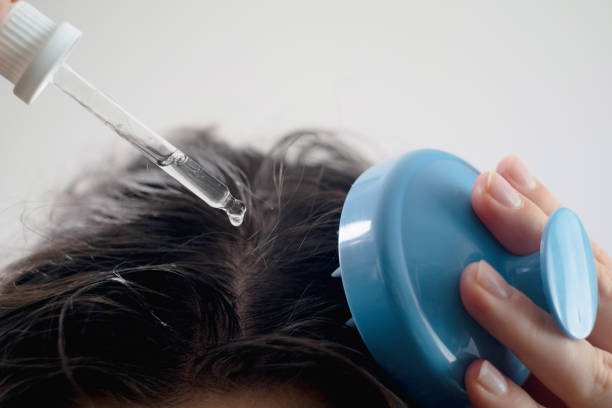

Hair thinning and loss are common concerns for both men and women. Modern aesthetic medicine offers multiple non-surgical solutions: PRP, microneedling, and low-level laser therapy (LLLT). This article breaks down each method, mechanism, benefits, risks, and outcomes.
1. PRP for Hair
- Platelet-rich plasma injected into scalp
- Stimulates dormant follicles
- Improves hair density, thickness, and quality
- Recommended: 3–6 sessions, 4–6 weeks apart
- Safe for most individuals with androgenetic or stress-related hair loss
2. Microneedling for Hair
- Creates micro-injuries on scalp
- Stimulates growth factors
- Often combined with PRP or topical minoxidil for enhanced effect
- Improves scalp circulation
3. Low-Level Laser Therapy (LLLT)
- Home or in-office devices
- Uses red/NIR light to stimulate follicles
- Increases cell metabolism and hair growth
- Minimal side effects, safe for long-term use
4. Choosing the Right Approach
- Mild thinning → LLLT + topical treatments
- Moderate loss → PRP + microneedling
- Severe loss → Hair transplant may be considered
5. Expectations & Timeline
- Initial improvement: 8–12 weeks
- Noticeable hair density: 4–6 months
- Optimal results: 9–12 months
6. Safety & Risks
- PRP: mild pain, redness, temporary swelling
- Microneedling: minor irritation
- LLLT: virtually risk-free
7. Cost
- PRP: $500–$1,500 per session
- LLLT: $200–$800 for home devices, higher in-office
- Microneedling: $200–$600 per session
8. Combination Therapy
- PRP + microneedling + LLLT yields the best results
- Address underlying nutritional or hormonal factors
9. Takeaways
- Non-surgical hair restoration is effective for most patients
- Early intervention improves success
- Maintenance sessions often required
- Safe, minimally invasive, and suitable for men and women