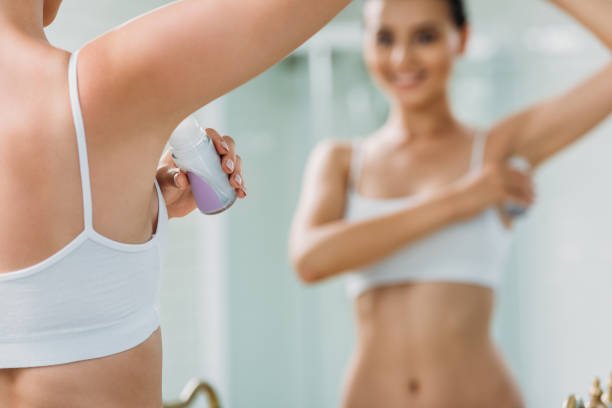

Personal hygiene is the foundation of confidence, wellness, and social comfort. Deodorants and antiperspirants are key components of a daily routine, yet many people are confused about how they work, which ingredients to choose, and how to prevent irritation or odor effectively.
This comprehensive guide explores the science behind deodorants, the difference between antiperspirants and deodorants, natural vs conventional products, application tips, and hygiene strategies for modern lifestyles.
1. Understanding Body Odor
Body odor originates primarily from sweat and the bacteria that live on our skin. Sweat itself is mostly water and salts, but when it interacts with bacteria—especially in areas with high density of apocrine glands such as the underarms—it produces odor.
- Apocrine glands: Found in armpits and groin, activated by stress, hormones, and heat
- Eccrine glands: Found all over the body, mostly water and salt, less odor
2. Deodorant vs. Antiperspirant
Many confuse these two products.
| Product | Function | Active Ingredients | Frequency |
|---|---|---|---|
| Deodorant | Neutralizes odor | Triclosan, zinc, baking soda, natural oils | Daily |
| Antiperspirant | Reduces sweat | Aluminum salts (aluminum chlorohydrate, aluminum zirconium) | Nighttime recommended |
- Deodorants allow sweat but prevent odor
- Antiperspirants block sweat glands to reduce moisture
3. Natural vs Conventional Options
Conventional Deodorants
- Contain aluminum salts, fragrances, and preservatives
- Effective for heavy sweating and strong odor
- Available in stick, roll-on, gel, or spray
Natural Deodorants
- Aluminum-free
- Use baking soda, arrowroot, charcoal, or magnesium
- Often scented with essential oils
- Gentler on sensitive skin, but may require adaptation period
4. Choosing the Right Product for Your Needs
- Mild sweat, sensitive skin: Natural deodorant with soothing oils
- Heavy perspiration: Aluminum-based antiperspirant
- Active lifestyle: Long-lasting, fragrance-free or sport-specific formula
- Pregnancy or postpartum: Aluminum-free, hypoallergenic options
5. Application Tips
- Apply to clean, dry skin
- For antiperspirants, nighttime application allows better sweat gland blockage
- Avoid immediately after shaving; can irritate
- Use light, even coverage rather than excessive layering
6. Body Hygiene Beyond Deodorant
- Shower regularly: Removes bacteria and sweat
- Exfoliate underarms: Prevents buildup of dead skin cells
- Wear breathable fabrics: Cotton, linen, or moisture-wicking synthetics
- Trim underarm hair if desired: Can reduce odor
- Stay hydrated: Sweat composition affects odor intensity
7. Ingredients Spotlight
- Baking soda: Neutralizes odor, can irritate sensitive skin
- Aluminum salts: Reduce sweat by blocking sweat ducts
- Zinc oxide / magnesium: Absorb moisture, reduce bacteria
- Essential oils: Tea tree, lavender, citrus for natural fragrance and antibacterial effect
- Glycerin / shea butter: Soothes and hydrates
8. Special Considerations
- Hyperhidrosis (excessive sweating): May require prescription antiperspirant, Botox injections, or other medical interventions
- Sensitive skin: Patch-test new products, avoid strong fragrances
- Darker skin: Watch for discoloration from antiperspirants; gentle formulas recommended
9. Trending Innovations (2025)
- Aluminum-free long-lasting deodorants
- Spray-on and hybrid lotion-stick formulas
- Probiotic deodorants to balance skin microbiome
- Sustainable packaging, refillable containers
- Subtle, unisex fragrances tailored for modern lifestyle
10. Common Mistakes to Avoid
- Skipping hygiene steps (shower, exfoliation)
- Over-applying products, leading to residue buildup
- Using heavy perfumes to mask odor instead of deodorant
- Ignoring diet impact (spicy food, garlic, caffeine can increase sweat odor)
- Changing products too frequently without adaptation
11. Routine Example
Morning:
- Shower, cleanse underarms
- Apply deodorant or antiperspirant
- Light fragrance if desired
Post-workout:
- Wipe with a clean towel or cleansing wipe
- Reapply deodorant if necessary
Evening:
- Optional exfoliation 1–2x/week
- Apply a gentle soothing product before bed
12. Takeaways
- Deodorant is key for odor control; antiperspirant is key for sweat control
- Choose formulas based on skin type, lifestyle, and sensitivity
- Hygiene is a multi-step process, not just a single product
- Layering with breathable clothing and fragrance enhances confidence
- Modern natural formulas offer effective, safe alternatives to traditional products