
Introduction: Why Chemical Peels Are Back in Trend
Chemical peels have come a long way from the overly aggressive, downtime-heavy procedures of the past. Today, they are one of the most customizable, dermatologist-approved treatments for improving texture, pigmentation, breakouts, and overall skin radiance. With so many peel options—light, medium, deep, and combination—it’s easy to get overwhelmed. This article breaks down everything you need to know: how they work, which type is best for your concerns, who should avoid them, how to prep, what downtime looks like, and how to maintain results.
1. What Exactly Is a Chemical Peel?
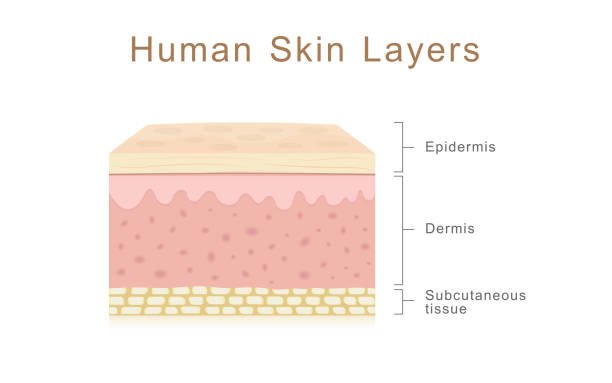
A chemical peel is a controlled skin exfoliation process performed with acids that remove the outer layers of the skin to stimulate regeneration, collagen production, and a smoother texture. The deeper the peel, the more dramatic the results—and the more downtime involved.
Common acid categories:
- AHA (Alpha Hydroxy Acids): Glycolic acid, lactic acid – great for glow and pigmentation
- BHA (Beta Hydroxy Acids): Salicylic acid – ideal for acne-prone or oily skin
- TCA (Trichloroacetic Acid): Medium-depth resurfacing, powerful for pigmentation
- Phenol: Deepest peel, dramatic resurfacing
What peels can treat:
✔ Hyperpigmentation
✔ Acne and clogged pores
✔ Rough texture
✔ Fine lines
✔ Melasma (with caution)
✔ Dullness
✔ Sun damage
2. Light Peels: Zero-Downtime Glow-Ups
Light peels—often called “lunchtime peels”—use mild acids such as glycolic, lactic, or low-percentage salicylic acid. They lightly exfoliate the top layer of the skin without visible peeling.
Who needs them?
- First-time peel users
- People prepping for events
- Those who want brighter skin without downtime
What they feel like:
A warm, tingling sensation lasting a few minutes.
Expected results:
- Brighter complexion
- Softer texture
- More even tone
- Reduced oiliness
How often:
Every 2–4 weeks
Great for:
- Dull, dehydrated skin
- Mild hyperpigmentation
- Maintenance between stronger treatments
3. Medium Peels: Real Results Without Going Too Deep
Medium-depth peels typically use stronger glycolic acid, Jessner’s solution, or TCA (15–25%). These reach the middle layers of the skin and deliver more visible results.
What they treat best:
- Acne scars
- More stubborn hyperpigmentation
- Fine lines
- Sun spots
- Early signs of aging
- Uneven texture
Downtime expectations:
- Peeling begins on day 2–3
- Flaking lasts 5–7 days
- Full recovery in 10–14 days
Important:
You must avoid picking at peeling skin to prevent scarring.
4. Deep Peels: Dramatic, Transformative Results
Deep peels (such as phenol peels or high-strength TCA) penetrate to the lower dermal layers. They are primarily for severe sun damage, deep wrinkles, or extensive scarring.
Who is a candidate?
- Mature skin with deep wrinkles
- Severe sun damage
- Significant pigmentation issues
Downtime:
- 2–4 weeks
- Prolonged redness for months
Why they’re less common today:
Laser resurfacing is often more customizable with fewer long-term risks.
5. Choosing the Right Peel for Your Skin Type
Dry Skin
Best: Lactic, mandelic, glycolic
Avoid: High-strength salicylic acid
Oily/Acne-Prone Skin
Best: Salicylic acid, Jessner’s, TCA
Avoid: Very mild lactic-only peels
Sensitive Skin
Best: Mandelic, lactic
Avoid: TCA, phenol
Dark Skin Tones
Best: Mandelic, glycolic (mild), salicylic
Caution: Medium/deep TCA can cause hyperpigmentation
Always seek experienced dermatologists familiar with skin of color.
6. Prepping for a Chemical Peel
Pre-treatment prep reduces complications and improves results.
2 weeks before:
- Stop retinol and exfoliants
- Avoid intense sun exposure
- Moisturize generously
3–5 days before:
- Avoid hair removal (waxing/threading)
- Avoid harsh scrubs
The day of the peel:
- No makeup
- Clean skin
7. Aftercare: What You Do Next Determines Success
Chemical peel aftercare is as important as the treatment itself.
Immediately after:
- Skin will feel tight
- Mild redness is normal
- Avoid touching your face
During peeling days:
- Use gentle cleanser
- Apply hydrating serums (HA), ceramide-rich creams
- Wear SPF 50 every day
- Avoid sweating and hot showers
Never peel, pick, or scratch.
After peeling ends:
- Slowly reintroduce retinol
- Continue SPF to prevent rebound pigmentation
8. Side Effects: What’s Normal vs. What’s Not
Normal:
- Flaking
- Mild redness
- Tightness
- Temporary dryness
Not normal (see a dermatologist):
- Severe burning
- Blistering
- Persistent swelling
- Dark patches (post-inflammatory hyperpigmentation)
- Infection
9. Chemical Peels vs. Laser: Which Should You Choose?
Chemical peels are better for:
- Pigmentation
- Acne
- Budget-friendly maintenance
Lasers are better for:
- Deep wrinkles
- Scarring
- Skin tightening
Combination therapy is common
Many dermatologists alternate lasers and peels depending on the season.
10. Realistic Expectations & Long-term Results
Chemical peels are powerful but not magical. The best results come from consistency and professional advice.
Results timeline:
- Light peel: glow in 2–3 days
- Medium peel: big improvement in 2 weeks
- Deep peel: full transformation in 3 months
Maintenance is key.
Conclusion: Should You Try a Chemical Peel?
If you want brighter, more even-toned skin, chemical peels are one of the most effective and affordable dermatology treatments available. Start slow, work with a licensed professional, and be patient—the glow is worth it.