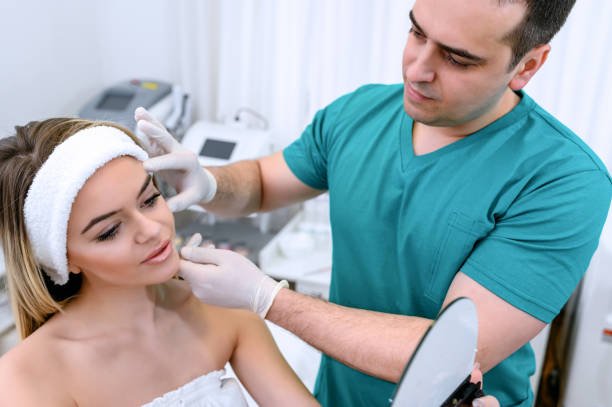

Introduction: Why Everyone Is Talking About Injectables
Botox and fillers have gone from taboo topics to mainstream beauty solutions embraced by celebrities, influencers, and everyday people looking for subtle enhancements. Despite their popularity, injectables remain widely misunderstood. Many people either expect too much, fear looking “frozen,” or don’t know where to start. This guide breaks down the essentials: how Botox and fillers work, what they can and cannot do, what results look like in real life, and how to choose a qualified provider.
1. Botox: What It Really Does
Botox (along with Dysport, Xeomin, Jeuveau, and Daxxify) is a neuromodulator. It relaxes the muscles that cause dynamic wrinkles—lines formed from expressions like smiling, frowning, and squinting.
Common Botox Areas
- Forehead lines
- Frown lines (the “11s”)
- Crow’s feet
- Bunny lines
- Masseter muscles (jaw slimming + TMJ relief)
- Brow lift
- Lip flip
- Neck bands
What Botox cannot do
- It does not add volume
- It does not treat deep static wrinkles caused by sun damage
- It does not “lift” the entire face
Think of Botox as prevention and smoothing—not a facelift.
2. How Botox Works
Botox blocks signals from nerves to muscles, temporarily relaxing them. When the muscle can’t contract strongly, the overlying skin stays smoother.
Timeline of Botox Results
- Day 1–2: No visible change
- Day 3–5: Lines begin softening
- Day 7–10: Full effect develops
- Duration: 3–4 months (Daxxify may last 6+)
Who benefits the most?
- People in their 20s–30s using it preventatively
- People in their 30s–50s wanting smoothness
- People seeking a refreshed—not fake—look
3. Filler: What It Really Does
Dermal fillers (usually hyaluronic acid–based) add volume, structure, and contour. They mimic natural substances found in the skin and dissolve slowly over time.
Common Filler Areas
- Cheeks
- Chin and jawline
- Under-eye hollows
- Nasolabial folds
- Lips
- Temples
- Nose (non-surgical nose job)
Different Types of Fillers
Fillers vary in thickness and flexibility.
- Soft fillers (for lips + under-eyes
- Medium fillers (nasolabial folds)
- Firm fillers (cheeks, jawline)
- Structural fillers (chin)
4. Botox vs. Filler: What’s the Difference?
| Feature | Botox | Filler |
|---|---|---|
| Used for | Wrinkles from muscle movement | Volume loss + contour |
| Effect | Relaxes muscle | Adds shape/structure |
| Duration | 3–6 months | 6–24 months |
| Results timeline | Gradual | Immediate |
| Best for | Forehead, eyes | Cheeks, lips, jawline |
They are NOT interchangeable and often work best together.
5. The Fear of Looking “Fake”
Most people fear looking overdone. But in reality, bad work is a result of:
- Overfilling
- Poor technique
- Wrong product choice
- Lack of facial balance assessment
What good work looks like
- Friends notice you look “rested,” not injected
- Facial expressions stay natural
- Proportions remain balanced
- No exaggerated or swollen features
The best injectors prioritize subtlety.
6. Consultation: What to Ask Your Injector
Choosing the right injector matters more than the product itself.
Key Questions
- Are you a licensed medical professional?
- How many years of experience do you have with injectables?
- What brand of filler/Botox do you use?
- Do you use cannula or needle for fillers?
- What’s your approach to natural results?
- Can I see your healed before/after photos?
Avoid anyone who:
- Pushes excessive treatments
- Cannot explain anatomy
- Doesn’t assess your unique facial structure
7. What Getting Botox Feels Like
A Botox appointment takes about 10 minutes and involves tiny injections. Pain is minimal—many compare it to a quick pinch or mosquito bite.
Aftercare
- No lying down for 4 hours
- Avoid exercise for 24 hours
- No rubbing the area
8. What Getting Filler Feels Like
Filler appointments take 20–45 minutes. Providers may use:
- Needles (precision)
- Cannulas (less bruising)
You may feel pressure or mild discomfort.
Downtime
- Mild swelling for 24–72 hours
- Occasional bruising
- Lips swell the most (normal)
9. Risks You Should Know
Injectables are safe when performed by trained professionals, but no cosmetic procedure is risk-free.
Botox Risks
- Droopy eyelids (rare + temporary)
- Asymmetry
- Headache
Filler Risks
- Swelling + bruising
- Lumps (usually fixable)
- Filler migration
- Vascular occlusion (EMERGENCY)
This is why board-certified injectors matter.
10. How Much Is “Too Much”?
Signs of being overfilled:
- Pillow-face look
- Unnatural apple cheeks
- Overly plumped lips
- Dull or distorted expressions
A skilled injector removes filler when necessary.
11. Natural-Looking Trends in 2025
- “Skin Botox” for diffused glow
- Subtle lip hydration fillers
- Micro-dosed forehead Botox
- Jawline contouring
- Tear-trough correction
- Hyper-diluted Radiesse for smooth necks
The trend is less about changing your face and more about enhancing structure.
12. Cost Breakdown
USA Average Prices
- Botox: $11–$18 per unit
(typical session 20–50 units) - Lip filler: $500–$900
- Cheek filler: $800–$1500
- Jawline filler: $1000–$2500
Higher prices often reflect superior expertise.
Conclusion: Are Injectables Worth It?
Injectables are powerful tools when used strategically and conservatively. They can soften aging, enhance features, and boost confidence—but the key is choosing the right injector and having realistic expectations. Whether you’re considering Botox, fillers, or both, the goal should always be to look like yourself—just a rested and refreshed version.