
Introduction
Injectables are at the heart of the modern beauty industry. Botox, dermal fillers, and collagen stimulators have become mainstream in the U.S. and Europe, offering subtle enhancements with minimal downtime. Yet many people still feel confused or intimidated by these treatments. This guide breaks down how each injectable works, what results you can expect, and how to stay safe.
1. Botox: What It Is and How It Works
Botox (botulinum toxin) temporarily relaxes muscles to soften wrinkles caused by expressions.
Most common uses:
- Forehead lines
- 11 lines (between the brows)
- Crow’s feet
- Brow lift
- Masseter slimming
- Gummy smile
- Lip flip
How long results last:
3–4 months on average.
Is Botox safe?
Yes, when administered by a licensed professional. Side effects include mild bruising or temporary eyelid heaviness if injected incorrectly.
2. Dermal Fillers: Volume, Structure & Contouring
Most fillers in the U.S. and Europe are hyaluronic acid–based (HA), a naturally occurring molecule that holds water.
Best filler areas:
- Cheeks
- Chin
- Jawline
- Under eyes (tear trough)
- Lips
- Nasolabial folds
Why HA fillers are popular:
- Reversible
- Natural-feeling
- Long-lasting (6–18 months)
Risks:
- Bruising
- Swelling
- Vascular occlusion (rare but serious)
A board-certified injector can minimize risk through deep anatomical knowledge.
3. Collagen Stimulators: Long-Term Skin Rejuvenation
Examples: Sculptra, Radiesse, Ellanse
Rather than adding immediate volume, they stimulate your body to produce collagen.
Best for:
- Gradual facial lifting
- Skin tightening
- Hollow cheeks
- Aging skin
Results:
Appear slowly over 3–6 months and last up to 2 years.
4. Lip Enhancements: Natural vs Glam
Trends have shifted toward “your lips but better.”
Techniques include:
- Lip flip (Botox)
- Subtle HA filler
- Border definition
- Just hydration (ultra-light fillers)
How to avoid “duck lips”:
Choose experienced injectors and avoid overfilling.
5. Jawline & Chin Contouring
In the U.S., jawline contouring is one of the fastest-growing treatments for both men and women.
What it does:
- Defines jaw angle
- Strengthens chin projection
- Creates balanced proportions
Microcannula techniques reduce bruising and improve safety.
6. Who Is a Good Candidate for Injectables?
You may benefit if you want:
- Subtle anti-aging
- Preventive wrinkle smoothing
- Facial balance
- Non-surgical shaping
Not suitable for:
- Pregnancy
- Active infections
- Unrealistic expectations
7. What to Expect During Treatment
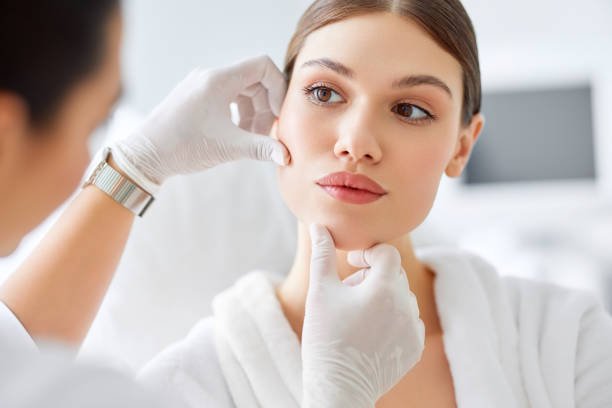
A typical session includes mapping, numbing, injecting, and a brief aftercare discussion.
Downtime is usually minimal.
Avoid:
- Alcohol for 24 hours
- 剧烈运动
- Massage of injected areas
8. How Much Do Injectables Cost?
U.S. averages:
- Botox: $11–$18 per unit
- Lip filler: $500–$900
- Cheek filler: $700–$1,200
- Sculptra: $700–$1,500 per vial
Prices vary by city and provider expertise.
9. How to Choose a Safe Injector
Look for:
- Board-certified dermatologist or nurse injector
- Medical setting
- Before/after portfolio
- Conservative approach
Red flags:
- Deep discounts
- “One-size-fits-all” pricing
- No consultation
Conclusion
Injectables can produce natural, confidence-boosting results when done safely and strategically. The key is working with qualified professionals who prioritize balance, longevity, and overall facial harmony.