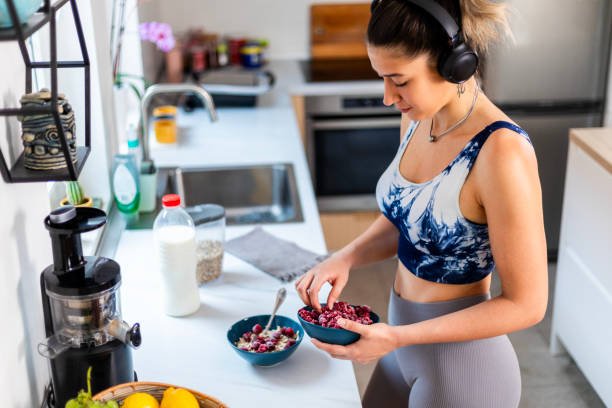

In the world of weight loss, body sculpting, and fitness aesthetics, most people focus heavily on diet and exercise—but the true, lasting transformation happens when you shift your mindset, build empowering habits, and create a sustainable lifestyle. Without the right psychological foundation, even the best workout plan or nutrition strategy will eventually collapse.
In this article, we’ll explore the science of habit formation, the psychology of motivation, emotional triggers behind inconsistent behavior, and practical lifestyle frameworks that support long-term fitness beauty. This is not about quick fixes—it’s about becoming the strongest, healthiest, most confident version of yourself from the inside out.
1. Why Mindset Matters More Than Willpower
Most people don’t fail because they lack willpower—they fail because the system they rely on is unsustainable.
1.1 Willpower Is Finite
Studies show that willpower is like a muscle—it gets tired.
When you rely only on self-control, you burn out.
1.2 Systems Outperform Motivation
Instead of depending on “feeling motivated,” successful people create systems that:
- Reduce friction
- Remove decision fatigue
- Make healthy choices automatic
1.3 Identity-Based Change
Real transformation happens when you start thinking like the person you want to become.
Examples:
- “I am someone who works out” → not “I should go to the gym.”
- “I choose foods that nourish me” → not “I need to eat clean.”
Your identity drives your habits—and your habits shape your results.
2. Building Sustainable Habits for Fitness Beauty
Small habits compound into major changes over time. The goal is not intensity—it’s consistency.
2.1 The 1% Rule
Improve 1% each day:
- One extra glass of water
- 10 minutes of movement
- 20g more protein
- One healthy swap
These small actions accumulate into powerful long-term transformation.
2.2 The Habit Loop Framework
Habits consist of:
- Cue → the trigger
- Routine → the action
- Reward → the satisfaction
Example:
Cue: Morning alarm
Routine: 10-minute stretch
Reward: Increased alertness, reduced stiffness
Once your brain associates the routine with reward, the habit sticks.
2.3 Environmental Design
Modify your surroundings to support your goals.
- Keep gym clothes visible
- Prepare water bottles in advance
- Stock the house with healthy foods
- Remove tempting snacks
- Place weights or yoga mats in accessible areas
Your environment shapes your behavior more than motivation does.
3. Mindset Shifts for Long-Term Fat Loss & Toning
3.1 Shift from Perfection to Progress
Perfectionism is the #1 reason people quit.
Instead:
- Accept imperfect weeks
- Focus on long-term patterns
- Trade “all or nothing” for “always something”
3.2 Shift from Weight Loss to Strength & Wellness
Obsessing over the scale creates anxiety and discouragement.
Better metrics:
- Strength increases
- Better sleep
- Improved mood
- Visible muscle tone
- Reduced bloating
Fat loss becomes a natural by-product of healthy living—not the sole goal.
3.3 Shift from Punishment to Self-Compassion
Don’t approach fitness as:
- “I need to fix myself”
- “I hate my body”
Instead:
- “I care about how I feel.”
- “I deserve energy and confidence.”
Self-compassion empowers you to stay consistent—shame does the opposite.
4. Emotional Eating, Stress & Psychological Patterns
Food is deeply emotional, especially when paired with stress, boredom, or loneliness.
4.1 Emotional Eating Triggers
Common patterns include:
- Stress from work
- Anxiety or overwhelm
- Reward after a long day
- Habitual nighttime snacking
- Social pressure
- Relationship or self-esteem issues
4.2 Strategies to Manage Emotional Eating
Pause Before Eating
Ask yourself:
- “Am I hungry or triggered?”
- “What do I need besides food?”
Create Non-Food Comfort Rituals
- Warm bath
- Tea
- Short walk
- Journaling
- Meditation
Keep Balanced Meals
Prevent bingeing with:
- High protein
- Stable blood sugar
- Regular eating patterns
Avoid Trigger Foods at Home
Environment > willpower.
5. Motivation Cycles & How to Stay Consistent
Nobody is motivated every day. Consistency comes from structure.
5.1 Motivation Is Seasonal
High motivation phases:
- New Year
- New job or change
- Vacation prep
Low motivation phases:
- Stress at work
- Weather changes
- Holidays
- Fatigue
Expect the dip—don’t fear it.
5.2 Anchor Habits
These are non-negotiable habits that stabilize your routine:
- Morning hydration
- A daily 10-minute walk
- A protein-rich breakfast
- A sleep schedule
Even on bad days, anchor habits keep you progressing.
5.3 The Two-Day Rule
Never skip healthy habits two days in a row.
Miss a workout? Fine.
Just don’t miss the next one.
6. Lifestyle Habits That Shape Your Physique
Fitness beauty is built through daily behaviors, not occasional intensity.
6.1 Sleep: The Hidden Weight Loss Weapon
Sleep affects:
- Hunger hormones (ghrelin/leptin)
- Muscle recovery
- Performance
- Mood
- Metabolism
Aim for 7–9 hours nightly.
6.2 Stress Management
Chronic stress increases cortisol → increases belly fat.
Effective tools:
- Yoga
- Light walking
- Deep breathing
- Journaling
- Nature time
- Therapy, if needed
6.3 Alcohol Moderation
Alcohol impacts:
- Sleep
- Hunger levels
- Fat metabolism
- Motivation
Best guidelines:
- 1–2 drinks per week
- Choose tequila soda, wine, or light cocktails
- Avoid sugary mixers
6.4 Daily Movement
NEAT (Non-Exercise Activity Thermogenesis) can burn 200–600 extra calories daily.
Examples:
- Walking
- House chores
- Taking stairs
- Standing desk
- Light stretching
7. Social Environment & Community Support
You become like the people you spend time with.
Surround yourself with:
- Friends who value health
- Workout partners
- Positive online communities
- Supportive family members
Healthy environments strengthen your identity as a fit, confident person.
8. Tracking & Accountability for Long-Term Success
Tracking makes progress visible and prevents self-deception.
8.1 What to Track
- Protein intake
- Strength progression
- Steps per day
- Sleep hours
- Monthly photos
- Hydration
- Energy levels
8.2 What Not to Obsess Over
- Daily weight
- Calories to the exact digit
- Instagram comparison
- Body shape fluctuations
8.3 Accountability Systems
- Workout calendar
- Habit-tracking apps
- Fitness groups
- Personal trainer
- Weekly “self check-in”
9. Redefining Beauty: The Fitness Aesthetic Mindset
Fitness beauty is not about being thin—it’s about being:
- Strong
- Energetic
- Confident
- Youthful
- Empowered
It celebrates:
- Glute gains
- Defined arms
- A balanced waistline
- Glowing skin
- Mental clarity
The modern beauty standard values vitality, not deprivation.
10. The Long-Term Mindset Shift
Instead of:
- “I want to lose weight fast,”
choose: - “I want a lifestyle that keeps me fit for the next 10 years.”
Instead of:
- “I’ll start over Monday,”
choose: - “I can make a better choice today.”
Instead of:
- “I need to look perfect,”
choose: - “I want to feel powerful, healthy, and confident.”
Final Takeaway
Sustainable fitness beauty is built from a foundation of:
- Consistent habits
- Balanced mindset
- Emotional stability
- Healthy routines
- Daily movement
- Smart nutrition
- Purposeful training
When you transform your mindset, your lifestyle follows—and your body naturally changes with it.
This is not a temporary project. It becomes a way of life—one that makes you feel strong, beautiful, and confident every single day.