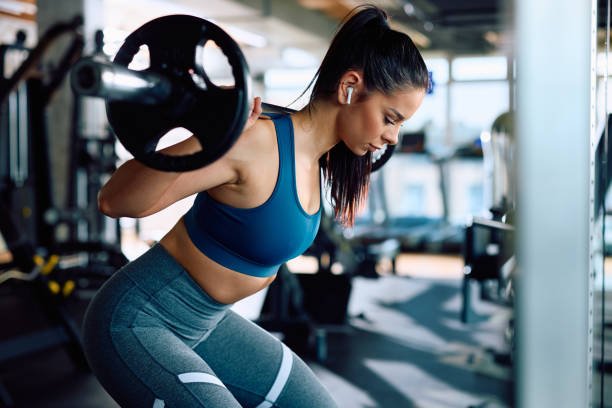

Body shaping is not just about losing weight—it’s about creating a leaner, more sculpted, and aesthetically balanced physique. Achieving visible muscle tone requires a strategic combination of strength training, body-fat reduction, proper nutrition, and recovery. This guide breaks down the science, techniques, and practical tips you need to shape your body effectively and sustainably.
1. The Science Behind Body Shaping
To create a lean, sculpted look, you must develop muscle while reducing body fat. These two processes go hand in hand:
- Muscle Hypertrophy: Increasing muscle size through resistance training
- Fat Reduction: Lowering overall body fat to reveal muscle definition
Key Insight: You can’t “tone” a muscle without building it. Muscle tone = muscle + low enough fat to reveal it.
2. Understanding Muscle Tone
Muscle tone refers to the visible definition and firmness of muscles. It depends on:
- Muscle size
- Muscle density
- Low subcutaneous fat
- Good hydration and skin elasticity
Factors that affect tone: age, hormones, genetics, training style, and nutrition.
3. Resistance Training: The Foundation of Body Shaping
Strength training is essential for shaping and sculpting the body. It builds lean tissue, increases metabolism, and enhances proportion.
Key Training Principles
1. Progressive Overload
Gradually increase weight, reps, or intensity so muscles adapt and grow.
2. Compound Movements
Work multiple muscle groups at once:
- Squats
- Deadlifts
- Bench press
- Pull-ups
- Lunges
- Shoulder press
These movements burn more calories and build overall strength.
3. Isolation Movements
Target specific muscles for sculpting detail:
- Bicep curls
- Lateral raises
- Leg extensions
- Hamstring curls
- Tricep pushdowns
Combining compound + isolation exercises creates balanced definition.
4. Workout Structure for Toning and Sculpting
Option A: Full-Body Training (3x/week)
- Squats
- Push-ups or chest press
- Deadlifts
- Rows
- Lunges
- Planks
Great for beginners or busy schedules.
Option B: Upper/Lower Split (4x/week)
- Upper: shoulders, chest, back, arms
- Lower: glutes, hamstrings, quads, calves
Ideal for intermediate and advanced lifters.
Option C: Body-Part Split (5–6x/week)
- Shoulders & abs
- Back & biceps
- Chest & triceps
- Glutes & hamstrings
- Quads & calves
This style enhances detail and aesthetics.
5. Core Training for a Sculpted Midsection
Visible abs require both muscle development and low body fat.
Effective exercises include:
- Weighted crunches
- Hanging leg raises
- Cable woodchoppers
- Planks
- Mountain climbers
Focus on resistance-based ab training, not endless crunches.
6. Body Fat Reduction for Visible Definition
You cannot shape the body effectively without addressing fat reduction.
Effective Methods
- Moderate caloric deficit
- High-protein diet
- Strength training + cardio
- Increasing NEAT (daily movement)
- Adequate sleep to regulate hunger hormones
Best Cardio for Body Shaping
- HIIT: boosts metabolism and burns fat quickly
- Steady-state cardio: jogging, incline walking, swimming
- Functional cardio: boxing, dance, kettlebell circuits
7. Glute Training for Lower-Body Shaping
Glutes are one of the most desired areas for sculpting.
Key Exercises
- Hip thrusts
- Bulgarian split squats
- Romanian deadlifts
- Glute bridges
- Cable kickbacks
Training glutes 2–3 times per week creates roundness and lift.
8. Arm & Shoulder Shaping
To create a feminine hourglass silhouette or a lean athletic look, shoulders and arms play a major role.
Top Sculpting Moves
- Lateral raises → capped shoulders
- Tricep dips → lean arms
- Bicep curls → roundness
- Push-ups → upper-body definition
Well-developed shoulders enhance the waistline visually.
9. Leg Sculpting Techniques
For toned, balanced legs:
- Split squats
- Step-ups
- Hamstring curls
- Calf raises
- Goblet squats
Training with moderate weight and higher reps (12–15) enhances shape and endurance.
10. The Role of Flexibility & Mobility
Flexibility and mobility:
- Improve posture
- Prevent injury
- Enhance muscle symmetry
- Improve muscle definition (longer-looking muscles)
Yoga, stretching, and foam rolling should be included at least 2–3 times per week.
11. Importance of Recovery for Body Shaping
Recovery determines how well your muscles grow and how sculpted they appear.
Key Recovery Principles
- 24–72 hours rest between sessions for each muscle group
- 7–9 hours of sleep per night
- Hydration to maintain muscle tone
- Active recovery: light walks, stretching
Overtraining can increase cortisol and hinder fat loss.
12. Nutrition Strategies for Body Sculpting
Protein
Aim for 0.8–1g per pound of body weight daily.
Carbohydrates
Essential for training performance. Use complex carbs:
- oats
- quinoa
- sweet potatoes
- brown rice
Healthy Fats
Support hormones, skin appearance, and satiety:
- salmon
- nuts
- avocado
- olive oil
Meal Timing
Fuel workouts with carbs → Recover with protein
13. Supplements that Support Body Shaping
Not required, but may help:
- Whey protein
- Creatine
- BCAAs (for fasted training)
- Omega-3
- Magnesium for recovery
Choose high-quality, third-party-tested products.
14. Tracking Progress Effectively
Use multiple methods, not just weight:
- Photos
- Measurements
- Strength increases
- Body composition scans
- How clothes fit
Tracking creates motivation and clarity.
15. Common Myths About Body Shaping
- “Lifting makes women bulky.”
False—toned curves require weights. - “Targeted fat loss works.”
You cannot spot-reduce fat. - “More cardio = better.”
Too much cardio can increase muscle loss. - “You must eat very little to tone.”
Under-eating slows muscle growth and metabolism.
16. Aesthetic Goals: Designing Your Ideal Shape
You can shape your body depending on your preferred aesthetic:
Hourglass Goal
- Grow glutes and shoulders
- Reduce waist
- Train legs with moderate weights
Lean Athletic Goal
- Full-body strength training
- Higher cardio
- Core-focused workouts
Soft Feminine Tone
- Lower weight, higher reps
- Pilates, barre, yoga combinations
17. A Sample Weekly Workout Plan
Monday — Upper Body (shoulders + back)
Tuesday — Lower Body (glutes)
Wednesday — Cardio + core
Thursday — Upper (arms + chest)
Friday — Legs (quads + hamstrings)
Saturday — HIIT + mobility
Sunday — Rest or light yoga
18. Psychological & Lifestyle Factors
Body shaping is not just physical.
- Develop patience—changes take 8–12 weeks
- Build confidence through strength
- Choose workouts you enjoy
- Embrace consistency, not perfection
19. Trends in Body Shaping (2025)
- Glute-focused training
- Hybrid workouts (strength + Pilates)
- Strength training for women gaining mainstream popularity
- Smart wearables for muscle activation tracking
20. Takeaways
- Body shaping requires a mix of strength training + fat reduction
- Progressive overload builds muscle tone
- Cardio, sleep, and nutrition play crucial supporting roles
- Focus on sustainable, science-backed practices
- A sculpted physique is achievable for anyone with consistency and smart planning