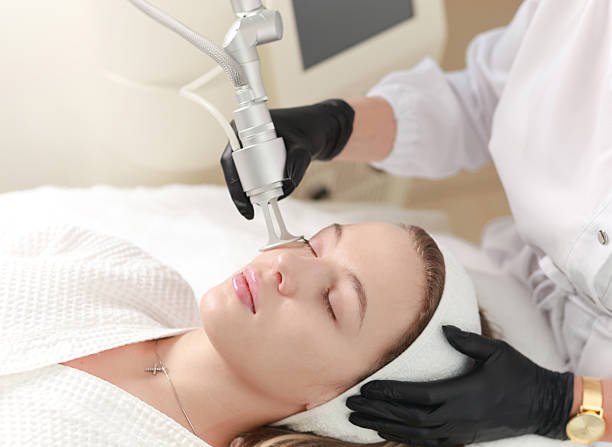

Chemical peels have been a cornerstone of dermatology and aesthetic skincare for more than a century. Despite the growth of laser treatments and new regenerative technologies, peels remain one of the most effective, versatile, and reliable tools for transforming skin. Whether you’re dealing with dullness, fine lines, hyperpigmentation, acne scars, or uneven texture, the right peel—performed at the right depth—can dramatically improve your complexion with scientifically proven results.
But because “chemical peel” is such a broad category, many people feel unsure about how they work, what depth they need, and which formulas are safe for their skin type. This comprehensive guide breaks down everything you need to know about light, medium, and deep chemical peels, including how they work, who they’re for, downtime expectations, risks, and recovery tips. By the end, you’ll have a clear, professional-level understanding of which peel can give you the results you’re looking for.
1. How Chemical Peels Work
A chemical peel uses a controlled acid solution to exfoliate the skin at different depths. The deeper the peel, the more dramatic the results—but also the longer the downtime and the higher the risk.
Mechanism
Chemical peels improve the skin by:
- dissolving bonds between dead skin cells
- increasing cell turnover
- stimulating fibroblasts to produce collagen
- removing sun-damaged or pigment-heavy layers
- smoothing texture and refining pores
Common Acids Used
- AHAs: Glycolic, lactic, mandelic
- BHAs: Salicylic
- TCAs: Trichloroacetic acid (light, medium, deep depending on % & application)
- Phenol: Deepest peel option
- Blends: Jessner’s solution (lactic + salicylic + resorcinol), VI Peel blends, etc.
Peels are not “one-size-fits-all”—each skin concern requires a different depth and acid formulation.
2. Light Chemical Peels (Superficial Peels)
Light peels are the most commonly performed because they’re safe, gentle, and require minimal downtime. They target the epidermis—the topmost layer of the skin.
Best for:
- Mild hyperpigmentation
- Dullness
- Uneven tone
- Rough texture
- Early fine lines
- Clogged pores
- Acne-prone skin
Common acids used:
- AHA peels: Glycolic (20–40%), lactic (20–30%), mandelic (20–40%)
- BHA peels: Salicylic (10–20%)
- Enzyme peels: Pumpkin, fruit enzymes
- Jessner Lite formulas
What to expect during treatment
Light peels usually feel like mild tingling or warmth. The skin may appear slightly pink afterward, but this fades within a few hours.
Downtime
Minimal. Some people flake lightly for 1–3 days.
Results timeline
You’ll see brighter, smoother skin within a week. A series of 4–6 weekly peels gives the best results.
Who is a good candidate?
Nearly everyone, including sensitive skin. Darker skin tones usually tolerate light peels safely when properly applied.
Popular branded light peels
- glycolic peel
- mandelic peel for acne or sensitive skin
- lactic peel for hydration and glow
- salicylic peel for oil control and acne
Pros
- Minimal downtime
- Safe for most skin tones
- Great for maintenance
- Affordable
Cons
- Subtle results compared to deeper peels
- Requires multiple sessions
3. Medium Chemical Peels
Medium peels reach the papillary dermis, offering more dramatic results for pigmentation, wrinkles, and acne scarring.
Best for:
- Melasma
- Sunspots and age spots
- Acne scars
- Moderate wrinkles
- Rough texture
- Enlarged pores
- Uneven tone caused by sun damage
Common formulas:
- TCA 20–35%
- Jessner’s Peel (full strength)
- VI Peel (medium-depth blend)
- Combination TCA + Jessner
What treatment feels like
A medium-depth peel stings more intensely than a light peel. Your provider may use a fan to reduce the burning sensation.
Frosting (a white powdery appearance) often occurs—indicating the peel has reached the proper depth.
Downtime
Moderate:
- Day 1–2: Tight, reddish skin
- Day 3–5: Peeling in sheets
- Day 6–7: Pink, newly resurfaced skin
- Day 7–10: Fading redness, glowing results
Results timeline
Significant improvement becomes visible around 2 weeks, with collagen remodeling for months.
Candidates
Medium peels are effective for Fitzpatrick skin types I–III. They can be performed on deeper skin tones with an experienced practitioner and proper pre-treatment (e.g., hydroquinone or retinoids).
Popular branded medium peels
- VI Peel Original / Precision / Purify
- Obagi Blue Peel (TCA-based)
- Jessner’s full-strength
Pros
- Excellent for pigment and texture
- Can reduce fine to moderate wrinkles
- Great alternative to light lasers
- Dramatic improvement without surgery
Cons
- 5–7 days of visible peeling
- Risk of post-inflammatory hyperpigmentation (PIH) in darker skin tones
- Must avoid sun meticulously
4. Deep Chemical Peels
Deep chemical peels penetrate the reticular dermis, offering the most transformative results—essentially functioning like a full facial resurfacing procedure.
Best for:
- Deep wrinkles
- Advanced sun damage
- Severe texture irregularities
- Pre-cancerous growths
- Significant scarring
Most common formula:
- Phenol (carbolic acid)
Phenol peels are powerful and long-lasting—results can persist for 10+ years.
What treatment feels like
Deep peels are typically performed under:
- mild sedation
- strong pain control
- sometimes in a surgical setting
The skin turns white immediately (coagulation effect), then red and swollen.
Downtime
Intense:
- Week 1: Severe swelling, crusting
- Week 2: Red raw skin
- Week 3–6: Gradual fading of redness
- Months 2–3: Fully healed, dramatically smoother skin
Deep peels require lifelong sun protection because the skin becomes more UV-sensitive.
Risks
Phenol peels have higher complication rates:
- permanent pigment changes
- scarring
- heart rhythm effects (phenol absorption)
- long-term redness
Candidates
Typically fair-skinned individuals (Fitzpatrick I–II) with significant photoaging.
Pros
- Dramatic wrinkle reduction
- Long-lasting results
- One-time treatment
- Can rival surgical outcomes
Cons
- Long downtime
- Higher risk profile
- Not suitable for darker skin tones
5. What Skin Concerns Each Depth Targets Best
| Concern | Light Peel | Medium Peel | Deep Peel |
|---|---|---|---|
| Dullness | ★★★★★ | ★★★★★ | ★★★★★ |
| Uneven tone | ★★★★☆ | ★★★★★ | ★★★★★ |
| Hyperpigmentation | ★★★☆☆ | ★★★★★ | ★★★★★ |
| Melasma | ★★★☆☆ | ★★★★★ | ★★★★☆ (rarely used) |
| Fine lines | ★★★☆☆ | ★★★★☆ | ★★★★★ |
| Deep wrinkles | ★★☆☆☆ | ★★★★☆ | ★★★★★ |
| Acne | ★★★★★ | ★★★★☆ | ★★☆☆☆ |
| Acne scars | ★★☆☆☆ | ★★★★☆ | ★★★★★ |
| Texture issues | ★★★☆☆ | ★★★★★ | ★★★★★ |
6. Who Should Avoid Chemical Peels?
You may not be a candidate if you:
- are pregnant or breastfeeding
- have active eczema, psoriasis, or dermatitis flare-ups
- have taken Accutane (isotretinoin) within the past 6–12 months
- have open wounds or infections
- have very dark skin without prep (medium/deep peels only)
- have history of keloids (for medium/deep peels)
7. Preparing for a Chemical Peel
2–4 weeks before your peel:
- Use sunscreen daily
- Stop retinoids (if instructed)
- Start pigment suppressors for melasma-prone skin
- Avoid waxing, scrubs, or harsh exfoliants
What to avoid the week before:
- Retinol/Retinoids
- AHAs/BHAs
- Benzoyl peroxide
- Sun exposure
- Facial hair removal
Proper preparation greatly reduces the risk of post-inflammatory hyperpigmentation.
8. Aftercare & Recovery
Post-peel care basics:
- Do NOT pick or peel the skin
- Use gentle cleanser
- Keep skin moisturized
- Avoid sweating, heat, saunas
- Avoid makeup until skin closes (usually 24–48 hours for light peels, longer for medium)
- Apply sunscreen religiously
Products to use after a peel:
- Hyaluronic acid serum
- Ceramide-rich moisturizer
- Mineral-only sunscreen
- Petrolatum (for deeper peels)
Avoid for at least 1–2 weeks:
- Retinol
- Scrubs
- AHAs/BHAs
- Vitamin C
- Active treatments or lasers
9. Cost Breakdown
| Peel Depth | Cost Range |
|---|---|
| Light | $80–$250 |
| Medium | $250–$800 |
| Branded Medium (VI Peel) | $250–$450 |
| Deep | $1,000–$6,000 |
Costs vary drastically by region and provider expertise.
10. How to Choose the Right Peel for You
Choose a light peel if:
- You want a glow-up with little downtime
- You have sensitive skin
- You want to gradually improve texture or pigmentation
Choose a medium peel if:
- You want significant improvement in pigmentation
- You have acne scars or deeper wrinkles
- You don’t mind visible peeling
Choose a deep peel if:
- You want major anti-aging results
- You have severe sun damage
- You’re okay with long downtime
- You’re fair-skinned
The golden rule:
When in doubt, always start lighter.
Over-peeling can cause irreversible pigmentation issues or sensitivity.
11. Chemical Peels vs. Other Treatments
| Issue | Best Treatment |
|---|---|
| Fine lines | Medium peel or fractional laser |
| Deep wrinkles | Deep peel or CO₂ laser |
| Acne | BHA peel |
| Melasma | Medium peel + pigment suppressors |
| Textural scars | TCA 35%, microneedling, or RF microneedling |
| Dullness | Light peel |
Peels are not outdated—when used correctly, they are powerful, predictable, and effective.
Conclusion
Chemical peels remain one of the most trusted, science-backed treatments in modern aesthetics. Whether you’re seeking a subtle refresh or dramatic resurfacing, there’s a peel depth designed to meet your needs. Light peels give a consistent glow and help maintain healthy skin; medium peels tackle deeper pigmentation and texture; and deep peels offer the most transformative anti-aging results available without surgery.
Understanding the differences between peel depths—and choosing a skilled provider—ensures you achieve brighter, smoother, healthier skin safely and effectively.