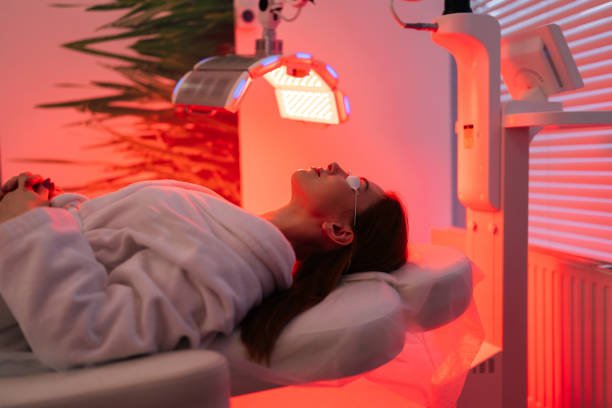

LED light therapy has become one of the most trusted, dermatologist-approved technologies for improving skin health without pain, downtime, or invasive procedures. From treating acne and calming inflammation to stimulating collagen and accelerating healing, LED is now a staple in both professional clinics and at-home skincare routines. But not all LED wavelengths perform the same job. Red, blue, and near-infrared (NIR) lights each target different layers of the skin and deliver unique benefits.
In this comprehensive guide, we’ll break down exactly how LED light therapy works, what each wavelength does, who benefits most, what results to expect, and how to safely incorporate LED into your skincare routine for glowing, healthier skin.
1. The Science Behind LED Light Therapy
LED stands for “light-emitting diode,” a technology that produces specific wavelengths of visible or invisible light. Instead of heating the skin like lasers or IPL, LED works through photobiomodulation—a process where cells absorb light energy and respond by performing better.
How does it work?
When skin cells absorb LED wavelengths, they experience:
- Increased ATP production (cellular energy)
- Faster repair and regeneration
- Reduced inflammation
- Improved collagen and elastin synthesis
- Antibacterial effects (for blue light)
The process is gentle and non-damaging—this is why LED is considered safe for all skin tones, including very dark skin.
2. Red Light Therapy (630–660 nm): Collagen, Healing & Anti-Aging
Red light is the most popular and researched LED wavelength. It penetrates the upper to mid layers of the skin, reaching fibroblasts—the cells responsible for collagen and elastin.
Key Benefits of Red Light
✔ Boosts collagen production
✔ Improves fine lines and wrinkles
✔ Enhances skin firmness and elasticity
✔ Reduces redness and inflammation
✔ Supports wound healing
✔ Improves overall radiance
✔ Helps with rosacea flare-ups (when combined with medical care)
Why Red Light Works
Red light stimulates mitochondria, increasing production of ATP. Think of ATP as the fuel cells need for repair. More ATP = faster rejuvenation.
Best For
- Early signs of aging
- Dullness
- Redness-prone skin
- Sensitized skin barrier
- Post-laser/chemical peel healing
- Mild scarring
How long until results appear?
Most people see:
- Brighter glow in 2–3 weeks
- Firmer skin in 6–8 weeks
- Smoother texture in 8–12 weeks
Red light is slow but highly reliable when used consistently.
3. Blue Light Therapy (405–450 nm): Acne Treatment & Oil Control
Blue light is a powerful antibacterial wavelength used to kill P. acnes, the bacteria that causes inflammatory acne.
How Blue Light Works
Blue LEDs do not penetrate deep into the skin. Instead, they activate porphyrins inside acne bacteria, which leads to bacterial destruction.
Key Benefits
✔ Kills acne-causing bacteria
✔ Reduces active breakouts
✔ Minimizes future acne flare-ups
✔ Helps regulate oil production
✔ Reduces inflammation in acne lesions
Best For
- Mild to moderate acne
- Hormonal breakouts
- Oily T-zone
- Mask-related acne (“maskne”)
What blue light cannot do
- It will not treat deep cystic acne
- It does not remove acne scars
- It does not shrink pores (it reduces oil that makes pores look big)
Results Timeline
- Reduced inflammation in 1–2 weeks
- Fewer breakouts in 3–6 weeks
- Best results: 8–12 weeks
Consistency is essential—blue light is not a one-session miracle.
4. Near-Infrared Light (NIR, 800–940 nm): Deep Healing & Anti-Inflammation
Near-infrared light is invisible to the eye and penetrates deeper than red or blue light—reaching the subdermal tissues, muscles, and even lymphatic system.
NIR is not just skincare; it’s skin health.
Key Benefits of NIR
✔ Deep anti-inflammatory effects
✔ Accelerated healing after procedures
✔ Improves circulation
✔ Reduces swelling and puffiness
✔ Helps with pain and recovery
✔ Improves firmness (works synergistically with red light)
Best For
- Post-laser treatment
- Post-microneedling
- Swelling after cosmetic injections
- Sensitive or reactive skin
- Chronic inflammation
- Aging skin that needs strengthening from inside out
NIR is often paired with red light in professional devices for maximized anti-aging and healing effects.
5. Comparing Red, Blue & Near-Infrared Light
| Wavelength | Depth | Best For | Not Ideal For |
|---|---|---|---|
| Red (630–660 nm) | Mid-dermis | Anti-aging, glow, healing | Severe acne |
| Blue (405–450 nm) | Epidermis | Acne, oil control | Deep wrinkles |
| Near-Infrared (800–940 nm) | Deepest | Healing, inflammation, firmness | Surface-level acne |
This is why many clinical LED panels combine multiple wavelengths—they deliver multi-layer benefits.
6. Professional vs. At-Home LED Devices
Professional LED Panels
- Higher power output
- Larger panels = more coverage
- Medical-grade wavelengths
- Faster results
- Often used post-laser or facial
At-Home LED Masks & Panels
Best premium brands include:
- Omnilux
- MZ Skin
- CurrentBody
- Dr. Dennis Gross
- LightStim
Do at-home devices actually work?
Yes—if:
- They use tested wavelengths
- They have adequate power density
- You use them consistently
They won’t be as strong as in-office treatments, but the results are meaningful over time.
7. How to Use LED Light Therapy at Home
Typical usage guidelines:
- Red light: 10–20 minutes, 3–5x per week
- Blue light: 10–15 minutes, 3–4x per week
- NIR light: 10–20 minutes, 3–5x per week
Always follow the manufacturer’s instructions.
Best Time to Use LED
- After cleansing
- Before serums (unless device requires bare skin)
- At night if your skin is sensitive
Products that pair well with LED
- Hydrating serums (HA)
- Niacinamide
- Peptides
- Ceramide moisturizers
Avoid using LED with:
- Retinol right before LED (use retinol on alternate nights)
- Harsh exfoliants on the same day if your skin is easily irritated
8. LED Light Therapy Safety: Who Should Be Careful?
LED is very safe for nearly everyone, but:
Avoid if:
- You have epilepsy triggered by light
- You take photosensitizing medications (Accutane, some antibiotics)
- You have active skin infections
- You have melasma (blue light may worsen pigmentation in rare cases)
Red and NIR are generally safe for melasma, but heat-based treatments are not.
9. Side Effects and What’s Normal
Normal
- Mild warmth
- Temporary redness
- A relaxed, “calm skin” feeling
Not normal
- Burning
- Prolonged heat sensation
- Significant redness that lasts hours
- Headache, eye strain
(Usually caused by using LED without eye protection)
10. Combining LED with Other Skincare Treatments
LED is one of the most versatile add-ons in the beauty world.
Great Combinations
- LED + microneedling → Accelerates healing
- LED + chemical peels → Reduces inflammation
- LED + Botox/fillers → Helps swelling after injections
- LED + acne treatments → Enhances bacterial control
- LED + anti-aging routines → Boosts collagen production
Treatments that pair especially well with NIR
- Radiofrequency skin tightening
- Laser resurfacing
- Microneedling RF
NIR speeds up recovery dramatically.
11. What Realistic Results Look Like
After 1 week
- Brighter skin
- Reduced redness
After 4 weeks
- Smoother texture
- Small reduction in inflammation
- Calmer acne
After 8–12 weeks
- More even skin tone
- Visible improvement in fine lines
- Better elasticity
- Fewer breakouts
LED is not a quick fix.
LED is a routine that becomes more effective the longer you stay consistent.
12. LED Myths vs. Facts
❌ Myth: LED will replace lasers.
✔ Fact: LED supports lasers but cannot match their intensity.
❌ Myth: LED can burn your skin.
✔ Fact: It is non-thermal and does not cause burns.
❌ Myth: You need daily LED treatments.
✔ Fact: 3–5 times per week is effective.
❌ Myth: LED only works in clinics.
✔ Fact: At-home devices work very well if reputable and used properly.
13. Is LED Worth It?
If your goals include:
- Anti-aging
- Acne reduction
- Redness control
- Barrier support
- Faster healing
Then yes—LED is one of the highest ROI skincare technologies out there.
It’s safe, painless, relaxing, and suitable for almost every skin type and tone. Whether you’re smoothing wrinkles, calming acne, or recovering from in-office treatments, LED can make your skincare routine significantly more effective.
Conclusion
LED light therapy is more than a beauty trend—it’s a scientifically backed, dermatologist-approved method for achieving healthier and more radiant skin. Red light boosts collagen and reduces inflammation, blue light fights acne-causing bacteria, and near-infrared light supports deep healing and firmness. When used consistently and safely, LED can deliver real, noticeable improvements without irritation, downtime, or high costs.
Whether you’re a skincare beginner or a dedicated enthusiast, LED is one of the most versatile tools you can add to your routine—and one of the most rewarding.