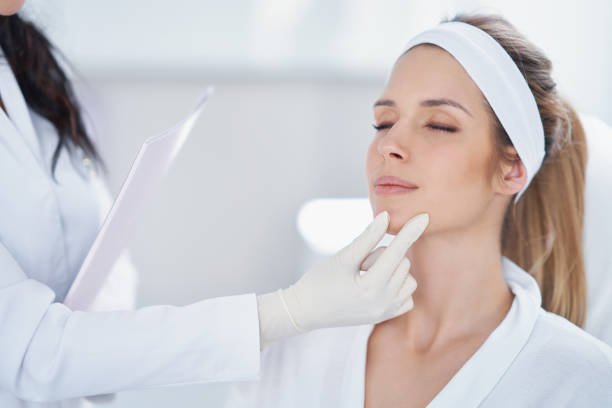

Introduction: Why Facials Are More Popular Than Ever
In the past decade, facials have transformed from a pampering luxury into an essential part of modern skincare. With new technologies like LED therapy, hydradermabrasion, microcurrent lifting, and enzyme resurfacing, today’s facials promise real results — and consumers want treatments that deliver visible improvements, not just a relaxing hour at the spa. In the U.S. and Europe, people are increasingly blending professional treatments with at-home routines to achieve long-term skin health, aging prevention, and that “glass skin” glow seen across social media.
This guide breaks down the most popular facial types, who they’re best for, the science behind how they work, and how to choose the right one.
1. Classic European Facial: The Foundation of Skin Health
A European facial is the base protocol most estheticians build upon. It includes cleansing, exfoliation, steam, extractions, massage, and a hydrating mask.
Best for: Beginners, dull skin, clogged pores.
Why it works: It restores the skin barrier, removes surface buildup, and improves circulation.
What to know before booking
- Great maintenance option every 4–6 weeks
- No downtime
- Ideal for all skin types
2. Hydrafacial: The “Celebrity Glow” Treatment
Hydrafacial is one of the most popular facials in the U.S. because it combines cleansing, vacuum extraction, exfoliation, and infusion of serums in one painless session.
How it works:
A spiral suction tip exfoliates the skin while simultaneously infusing hyaluronic acid, antioxidants, and peptides.
Best for:
- Blackheads
- Large pores
- Dehydrated skin
- Pre-event radiance
Why people love it: Instant glow, zero downtime, suitable even for sensitive skin.
3. Chemical Peel Facials: From Lactic to TCA
Chemical peel facials vary widely in strength and purpose.
Mild peels (Lactic, Mandelic):
- Brighten dull skin
- Hydrate
- Safe for most skin tones
Medium peels (Glycolic, Salicylic):
- Treat acne
- Smooth texture
- Reduce fine lines
Higher-strength peels (TCA):
- Target stubborn pigmentation
- Improve acne scarring
- Require downtime
Choosing the right peel depends on:
- Skin tone (Fitzpatrick scale)
- Sensitivity
- Goals and timeline
4. LED Light Therapy: The Future of Non-Invasive Treatment
Red, blue, and near-infrared LED lights are now integrated into many facials.
Red light:
Stimulates collagen and reduces inflammation.
Blue light:
Kills acne-causing bacteria.
Near-infrared:
Boosts wound healing and firmness.
Why it works:
LED therapy initiates photobiomodulation — a cellular response that directly improves skin regeneration.
5. Microcurrent Facials: The “Non-Surgical Face Lift”
Microcurrent uses low-voltage electricity to stimulate facial muscles.
Benefits:
- Lifts cheekbones
- Defines jawline
- Improves circulation
- Boosts ATP (cellular energy)
Best for: Mild sagging, dullness, early aging.
Results are subtle but noticeable, especially when done regularly.
6. Oxygeneo, Jet Peel & Oxygen Facials
Oxygen-focused facials promote cellular renewal and instant brightness.
Why oxygen matters:
Skin cells need adequate oxygen to regenerate and detoxify.
These facials are especially popular before photo shoots and events.
7. How to Choose the Best Facial for Your Skin Type
Oily/Acne-Prone:
Hydrafacial, salicylic acid peels, blue LED.
Dry/Dehydrated:
Hydrafacial with hyaluronic boosters, oxygen facials, enzyme exfoliation.
Hyperpigmentation:
Glycolic peel, lactic peel, brightening facial with vitamin C.
Aging/Mature Skin:
Microcurrent, red LED, peptide facials.
8. How Often Should You Get a Facial?
Most dermatologists recommend every 4–6 weeks, matching the skin’s natural regeneration cycle.
For corrective treatments:
- Peels: Every 2–4 weeks
- Hydrafacial: Monthly
- Microcurrent: Weekly for 6–8 weeks, then monthly
- LED: 1–2 times per week (or at-home versions daily)
9. At-Home Devices vs Professional Treatments
At-home devices (like microcurrent or LED masks) provide maintenance but not the strength or precision of professional treatments.
Dermatologists typically recommend pairing the two:
Professional = correction
Home use = maintenance
10. Are Facials Safe for Sensitive Skin?
Yes — if you avoid harsh exfoliants.
Look for:
- Enzyme-based facials
- Lymphatic drainage
- LED red light
- Hydration-focused protocols
Avoid:
- High-strength chemical peels
- Aggressive extractions
Conclusion: The Future of Facials
Facials today are not only about relaxation — they’re a blend of science, technology, and skincare expertise. Whether your goal is radiance, anti-aging, or acne control, there is a targeted treatment for you. The key is choosing evidence-based options and working with experienced professionals who understand both your skin type and long-term goals.