
Introduction
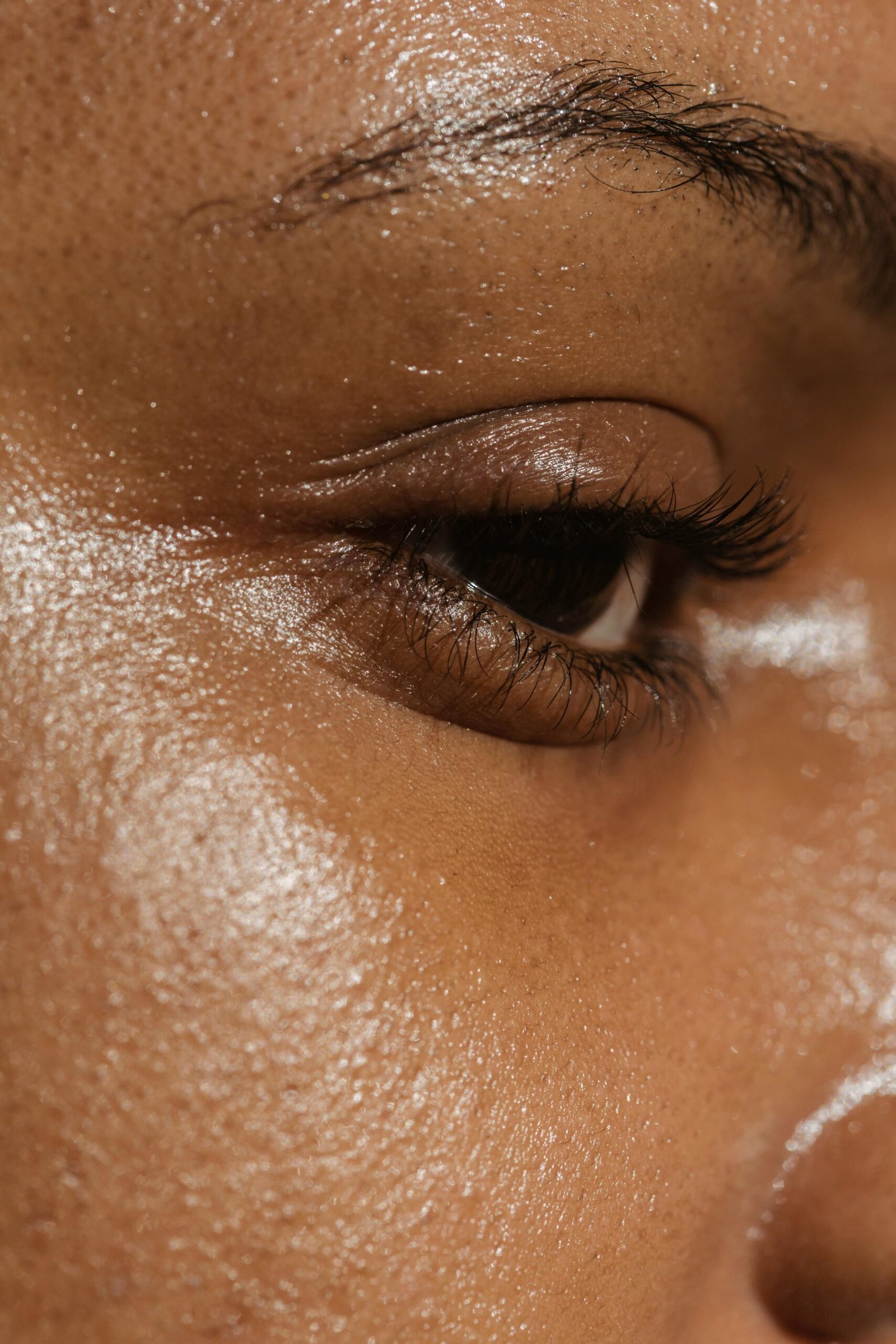
Most people believe they can “shrink” pores. But dermatologists agree: pores don’t open or close. Their size is genetic. What can change is the appearance of pores—how visible they are on your face. And that’s something skincare can absolutely help.
Let’s clarify what makes pores visible and what actually works to make them look smaller.
Section 1: What Pores Actually Are
Pores are the openings of hair follicles. Inside each pore is:
- A hair follicle
- A sebaceous (oil) gland
- A pathway for sebum to reach the surface
They cannot physically shrink or expand, but they can stretch, clog, or fill, making them appear larger.
Section 2: What Makes Pores Look Bigger
1. Excess Sebum
Oil fills the pore, stretching it.
2. Clogged Pores
Dead skin + oil = enlarged appearance.
3. Loss of Collagen
Aging weakens structural support.
4. Sun Damage
UV breaks collagen → pores look larger.
5. Dehydrated Skin
Tight, dehydrated skin exaggerates texture.
Section 3: Ingredients That Reduce Pore Appearance
1. Salicylic Acid (BHA)
Dissolves inside the pore—ideal for reducing size visibility.
2. Retinoids
Boost collagen, strengthen walls of pores.
3. Niacinamide
Balances oil production and improves texture.
4. Clay Masks (Kaolin, Bentonite)
Absorb excess oil temporarily.
5. LHA (Lipo-Hydroxy Acid)
Gentle, precise exfoliation for sensitive skin.
Section 4: Daily Routine for Minimizing Pores
AM
- Gel cleanser
- Niacinamide
- Lightweight moisturizer
- SPF
PM
- Salicylic acid
- Retinol (every other night)
- Hydrating moisturizer
Section 5: In-Clinic Treatments That Work
- Microneedling
- Laser resurfacing
- Chemical peels
- Microdermabrasion
- RF microneedling (collagen-boosting)
These are the only methods that slightly tighten pore structure.
Conclusion
You can’t change pore anatomy, but you can dramatically change how they look. With consistent exfoliation, collagen support, and sun protection, pores become much less noticeable.